Thermal Effect Therapy: The Yunomori Way to Hot–Cold Onsen Bathing (and the “Totonou” Feeling)
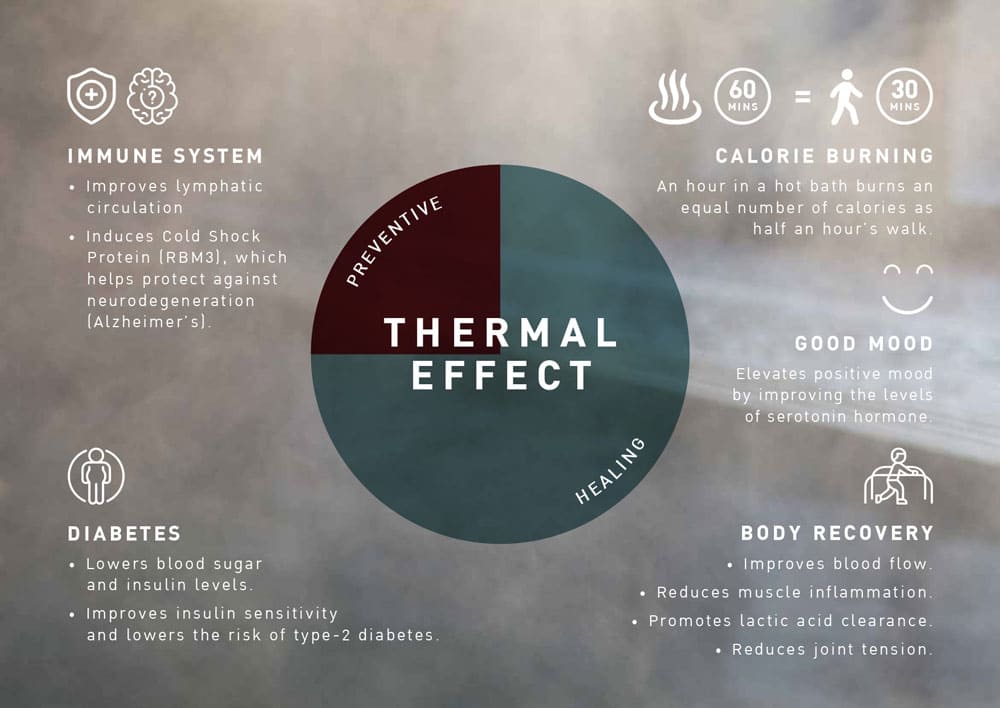
If you’ve ever left an onsen feeling unusually clear, calm, and “reset,” you’ve experienced the magic of temperature contrast. At Yunomori, this is one of our key strengths: a complete thermal journey—from warm to hot, from cold to (sometimes) ice, plus sauna/steam—so you can build a routine that feels both luxurious and deeply refreshing.
This blog explains the Yunomori approach to thermal effect therapy (hot–cold–rest), how to do it safely, and how to aim for the Japanese sauna culture feeling known as “totonou”—a sense of mind-and-body “being put in order.”
What is “thermal effect therapy” in an onsen context?
Think of it as a rhythm rather than a challenge:
Warm / hot → cool / cold → rest → repeat (only if you feel good)
Heat encourages the body to relax and unwind. Cold can feel like a clean “reset.” Rest is where everything settles—and where many guests say the experience feels most powerful.
This is why a good onsen visit isn’t about staying longer. It’s about moving slowly through the right sequence.
What makes Yunomori different: 7 baths + true temperature range
Many wellness venues may offer one hot bath, or one cold plunge. Yunomori is designed as a full thermal circuit.
Across Yunomori, our bath temperatures can range from:
- Warm baths around 38–40°C (great for easing in)
- Hot baths up to 41–45°C (for deeper heat, done calmly)
- Cold bath typically 13–19°C (available across locations)
- Ice bath around 3–7°C offered in selected sessions
(currently: Sat–Sun mornings 8:00–10:00 at Sukhumvit and Sathorn)
That variety means you can choose a safe “temperature ladder” rather than jumping straight into extremes.
The Yunomori method: the Temperature Ladder
(warm → hot → cold → rest)
If you want the best experience with the least risk, follow this principle:
1) Start warm first (38–40°C)
This is your “entry bath.” It helps your body adapt.
2) Move hotter only when you feel comfortable (40°C+)
Shorter is better than forcing it. The goal is comfort, not endurance.
3) Use cold as a cooling break (13–19°C)
Cold is not a dare. A short, calm dip is enough.
4) Rest (seriously—this is part of the method)
Sit down, breathe slowly, and let your body settle.
Then you can repeat if you still feel good.
Totonou: what it means (and how to aim for it without pushing too hard)
In Japanese bathing/sauna culture, totonou (ととのう) literally refers to being “arranged / put in order.” In modern sauna culture, it’s often used to describe the calm, clear feeling after a cycle of heat → cold → rest.
How to aim for it (gently):
- don’t rush between temperatures
- keep your breathing slow (especially during cold)
- include rest between steps
- stop early if you feel dizzy or uncomfortable
Many guests find that “totonou” happens not when you do more—but when you do it more calmly.
Three thermal routines you can try (choose one)
These are simple, non-complicated flows designed to fit different moods. Adjust the timing to your comfort.
Routine A: The “Daily Reset” (beginner-friendly)
- Warm bath (38–40°C) → rest
- Hot bath (40°C+) → rest
- Cold bath (13–19°C, short) → rest
Repeat 1–2 rounds
Best for: first-timers, busy minds, people who want a clean refresh.
Routine B: The “Recovery Circuit” (after training / active days)
- Warm bath → rest
- Sauna/steam (short) → rinse → rest
- Cold bath (short) → rest
- Hot bath (short) → rest
Repeat if comfortable
Best for: guests who enjoy a stronger contrast but still want control.
Routine C: The “Deep Relaxation” (slow and soothing)
- Warm bath → rest
- Warm/hot bath (short) → rest
- Gentle cold (very short) → rest
Finish with warm
Best for: guests who want relaxation without extreme cold.
If you’re curious about ice bath (3–7°C): read this first
Ice bath is not required for a great onsen day. If you choose to try it:
- enter slowly
- keep it brief
- focus on calm breathing
- rest afterward
Ice bath is offered in selected sessions only (currently Sat–Sun mornings 8:00–10:00 at Sukhumvit and Sathorn), and it’s best approached as an optional add-on, not the main event.
Safety first: why people feel lightheaded (and how to prevent it)
Because Yunomori offers real temperature contrast, some guests may feel lightheaded if they rush—especially when going quickly between hot and cold.
Please follow these safety habits every time:
- Move slowly between baths (no rushing, no “speed rounds”)
- Hold the handrail when entering and exiting baths
- Stand up slowly and pause for a few seconds before walking
- Rest between steps (this reduces dizziness risk)
- Hydrate during your session
- If you feel dizzy or unwell: stop, sit down, and rest — and please alert our staff so we can assist you immediately.
A safe routine is always the best routine.
Helpful reads before you visit
- Onsen Etiquette & Manners — for first-timers and families
- The Ultimate Guide to Yunomori Baths — for bath types + recommended sequences
Book your visit:
Wellness note: This article is for general wellness information only and is not medical advice. Please listen to your body and consult a healthcare professional if you have any health concerns.