Thailand has earned its reputation as one of the world’s premier wellness destinations, drawing visitors who seek everything from ancient healing practices to modern relaxation therapies. With so many spa types available across the country – and sometimes even within the same neighborhood – choosing the right treatment can feel overwhelming, especially when each tradition offers its own philosophy, techniques, and therapeutic benefits.
Understanding the different types of spa experiences helps you select a spa with treatments that align with your personal wellness goals, whether you’re seeking deep muscle relief, mental clarity, or simply an escape from daily stress.
Japanese Onsen: A Meditative Type of Spa
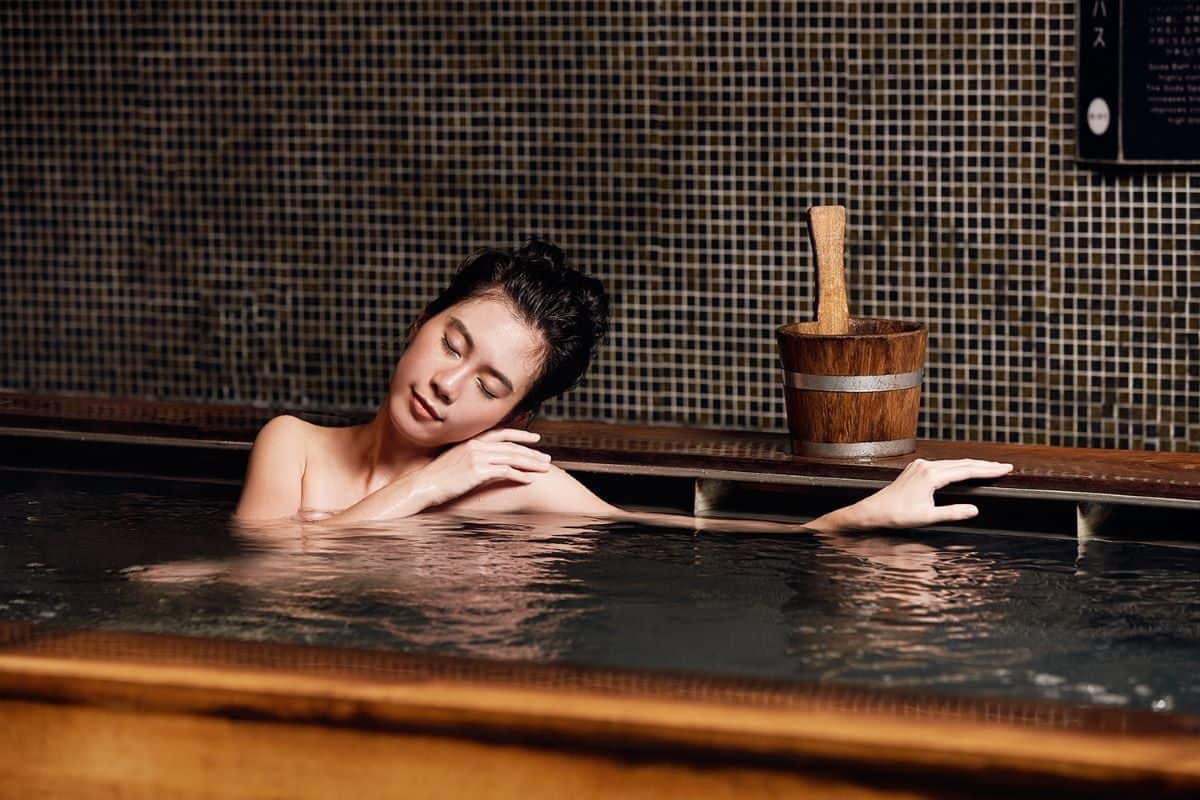
Japanese onsen culture centers on the therapeutic power of mineral-rich thermal waters, a tradition spanning over 1,300 years. Natural hot springs containing sodium, magnesium, sulfur, and calcium penetrate the skin during bathing, delivering benefits that extend far beyond simple relaxation.
The heat of onsen waters (typically maintained between 38-42°C) stimulates circulation, relieves muscle tension, and encourages detoxification. Buoyancy from the water eases pressure on aching joints while warmth activates the parasympathetic nervous system, guiding the body into a state of deep rest. Regular thermal bathing has also been known to lower blood pressure, reduce chronic pain, and improve cardiovascular health.
An authentic onsen experience follows a ritualized sequence: thorough cleansing before entering the pools, progression through baths of varying temperatures, and periods of rest in tranquil relaxation areas. Saunas, steam rooms, and cold plunge pools often complement the thermal bathing journey and may be available as well on-site. The meditative atmosphere, intentionally free from phones and daily distractions, provides mental wellness benefits as profound as the physical ones.
Yunomori brings genuine Japanese onsen tradition to Thailand, with thermal baths sourced from the healing springs of Wat Wangkanai. Complementary massage services enhance the therapeutic experience, preparing the body for deeper healing after muscles have been warmed and relaxed by the mineral waters.
Thai Spa: Energy Lines and Stretching Traditions
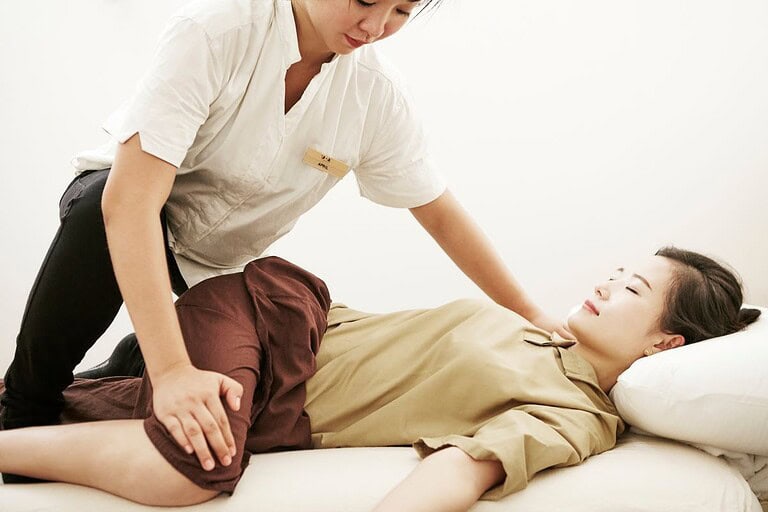
Thai massage represents one of the oldest healing practices still in widespread use today. Dating back approximately 2,500 years, this tradition combines acupressure, assisted stretching, and rhythmic compression to restore balance throughout the body.
Unlike Western massage styles performed on elevated tables, traditional Thai massage takes place on floor mats with recipients remaining fully clothed. Therapists use their hands, elbows, knees, and feet to apply pressure along energy pathways called “sen”. These channels are believed to carry life force throughout the body, so when these lines become blocked, discomfort and illness can follow. By stimulating specific points and performing yoga-like stretches, therapists release these blockages and restore energetic flow.
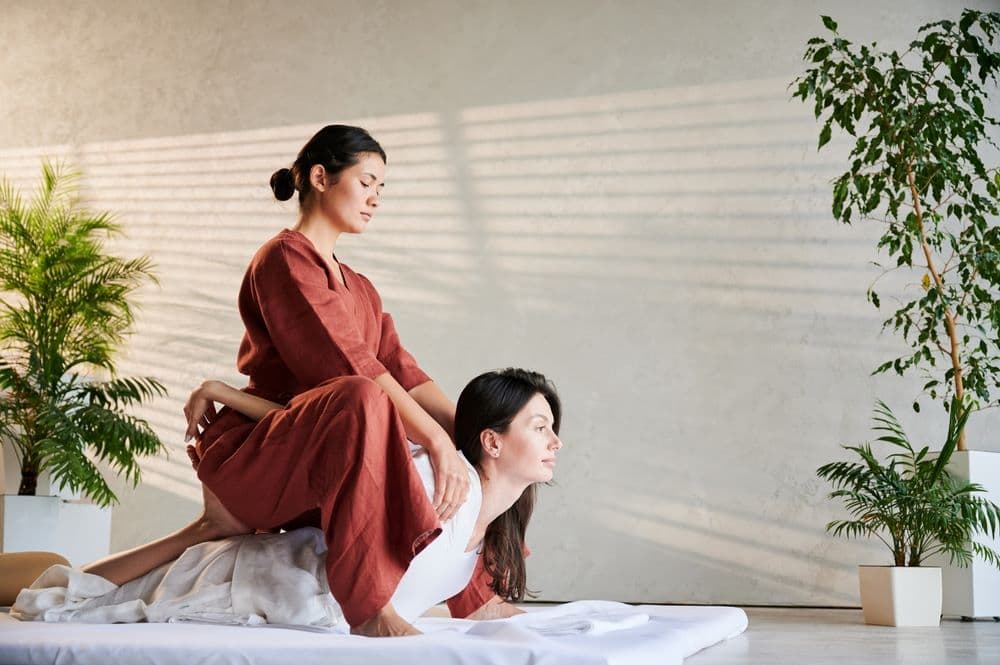
The benefits extend well beyond relaxation. Regular Thai massage improves flexibility, enhances circulation, reduces chronic pain, and increases energy levels. The deep stretching component helps elongate muscles and improve range of motion, making it particularly valuable for athletes or anyone experiencing stiffness from sedentary lifestyles. Among the different types of spa traditions practiced in Thailand, Thai massage is, naturally, the most iconic.
Balinese Spa: Holistic Island Serenity
Balinese massage emerged from the Indonesian Island, blending influences from Indian Ayurveda, traditional Chinese medicine, and indigenous Southeast Asian healing practices. This fusion creates a holistic treatment that addresses body, mind, and spirit simultaneously.
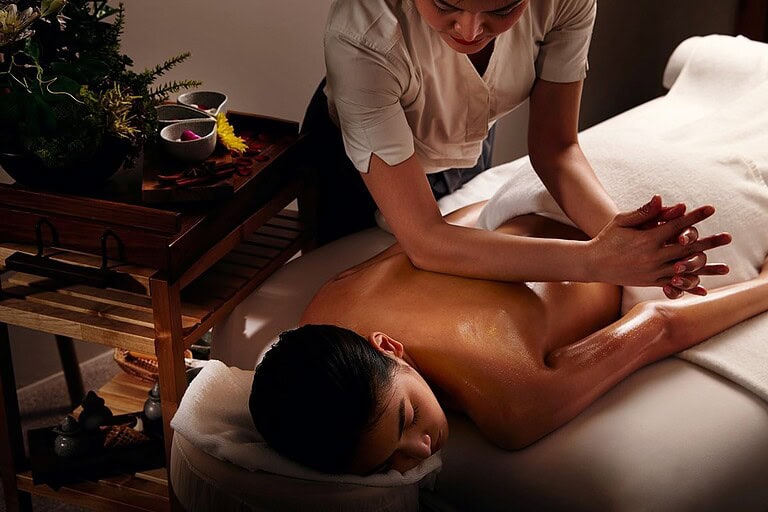
The techniques combine gentle stretches, skin rolling, acupressure, and flowing strokes with aromatic essential oils. Therapists use kneading, palm pressure, and thumb circling to stimulate lymphatic drainage and improve circulation, while carefully selected oils, often featuring frangipani, coconut, or lemongrass, provide aromatherapy benefits that calm the mind and nourish the skin.
Balinese massage typically applies gentler pressure than massages from some other Asian spa types, making it ideal for those who prefer a deeply relaxing experience without intense muscle work. The emphasis on aromatherapy creates an immersive sensory journey, while the combination of techniques promotes balance between physical relaxation and emotional well-being.
Swedish Spa: Western Relaxation Therapy
Swedish massage stands as the most widely practiced Western massage style, developed in early 19th-century Sweden by Per Henrik Ling. This approach brought scientific understanding to therapeutic touch, creating a systematic method that remains foundational in spas worldwide.
Five core techniques define Swedish massage: effleurage (long, gliding strokes), petrissage (kneading movements), friction (deep circular pressure), tapotement (rhythmic tapping), and vibration (shaking motions). Performed on an elevated massage table with oils or lotions, treatments typically use light to moderate pressure applied in flowing sequences toward the heart.
The primary benefits include stress relief, improved circulation, muscle relaxation, and pain management. Swedish massage excels at warming tissues, loosening knots, and creating an overall sense of calm. For those new to massage or exploring different types of spa treatments for the first time, Swedish techniques offer an accessible and gentle introduction.
Find Relaxation at Yunomori Spa
Among the many types of spas available in Thailand, Japanese onsen offers unique healing benefits difficult to replicate elsewhere. The combination of mineral-rich thermal waters and professional massage services creates a comprehensive wellness journey that addresses both physical tension and mental fatigue.
Yunomori Onsen & Spa brings authentic Japanese bathing culture to Southeast Asia. As a wellness spa dedicated to restoring balance, our spa combines the therapeutic power of onsen with expert massage services for complete rejuvenation. With locations in Bangkok (Sukhumvit and Sathorn), Pattaya, and Singapore, experiencing this transformative tradition has never been more accessible for those seeking a spa in Bangkok that residents and visitors alike trust for authentic relaxation.
References:
Onsen. (November 15, 2025). Wikipedia. Retrieved January 7, 2026, from [https://en.wikipedia.org/wiki/Onsen]
Exploring the History and Culture Behind Thai Massage. (2025). Nuad Thai School. Retrieved January 7, 2026, from [https://www.nuadthaischool.com/exploring-the-history-and-culture-behind-thai-massage/]
Understanding the Five Basic Strokes of Swedish Massage. (November 22, 2023). The Buckhead Massage Company. Retrieved January 7, 2026, from [https://buckheadmassage.com/understanding-the-five-basic-strokes-of-swedish-massage/]
Frequently Asked Questions
Q1: What makes Japanese onsen different from other spa types in Thailand?
Japanese onsen focus on soaking in mineral-rich thermal waters that improve circulation, relieve muscle tension, and support both physical and mental wellness.
Q2: Is Thai massage suitable for people with muscle stiffness?
Yes, Thai massage uses deep stretching and acupressure techniques that improve flexibility, release tension, and reduce stiffness caused by sedentary lifestyles.
Q3: Who should choose a Balinese spa treatment?
Balinese massage is ideal for those seeking gentle pressure, aromatherapy, and a deeply relaxing experience that balances physical and emotional wellbeing.
Q4: What are the main benefits of Swedish massage?
Swedish massage helps reduce stress, improve circulation, relax muscles, and relieve pain through light to moderate pressure and flowing techniques.
Q5: Are onsen baths only for relaxation?
No, onsen bathing also supports detoxification, lowers blood pressure, reduces chronic pain, and promotes cardiovascular health.
Q6: Can beginners try Swedish massage as their first spa treatment?
Yes, Swedish massage is considered one of the most accessible and beginner-friendly spa treatments due to its gentle and systematic approach.
Q7: What spa experience combines both thermal bathing and massage in Thailand?
Japanese onsen spas like Yunomori combine mineral-rich thermal baths with professional massage services for a complete wellness experience.