Your Complete Guide To Types Of Massage In Thailand
Key Highlights
- Thailand offers diverse massage traditions, including Thai massage, aromatherapy, herbal compress, foot massage, head and shoulder massage and more
- Traditional Thai massage focuses on stretching, pressure points, and energy line alignment for improved flexibility and circulation
- Aromatherapy massage utilizes essential oils combined with gentle techniques to relieve stress and improve sleep.
- Herbal compress massage uses warm pouches filled with Thai herbs to ease muscle tension
- Foot massage targets pressure points on the feet to improve energy flow and relieve fatigue
- Onsen spa experiences blend Japanese hot spring bathing with Thai wellness culture
- Yunomori Onsen & Spa is Southeast Asia’s first authentic onsen spa, combining Japanese traditions with Thai healing techniques
Table of Contents
- Exploring the Different Types of Massage in Thailand
- Thai Massage – The Traditional Favorite
- Aromatherapy Massage – Calm for the Senses
- Herbal Compress Massage – An Ancient Thai Remedy
- Foot Massage – Targeted Relief for Tired Feet
- Onsen Spa For Full Body Relaxation and Relief
- Experience Yunomori Onsen & Spa
- Book Your Thai Wellness Experience Today
- Frequently Asked Questions
Thailand has earned a well-deserved reputation as one of the world’s top wellness destinations. From ancient healing practices passed down through generations to modern spa innovations, the country offers a rich variety of therapeutic treatments that attract millions of visitors each year. If you’re searching for spa and massage Bangkok experiences or exploring the different types of massage in Thailand, you’ll find options suited to every preference and wellness goal.
This guide breaks down the most popular types of massage available across Thailand, explaining the techniques, benefits, and what you can expect from each treatment.
Thai Massage – The Traditional Favorite
Thai massage is perhaps the most iconic wellness treatment associated with Thailand. This ancient practice dates back over 2,500 years and remains one of the most requested types of Thai massage worldwide.
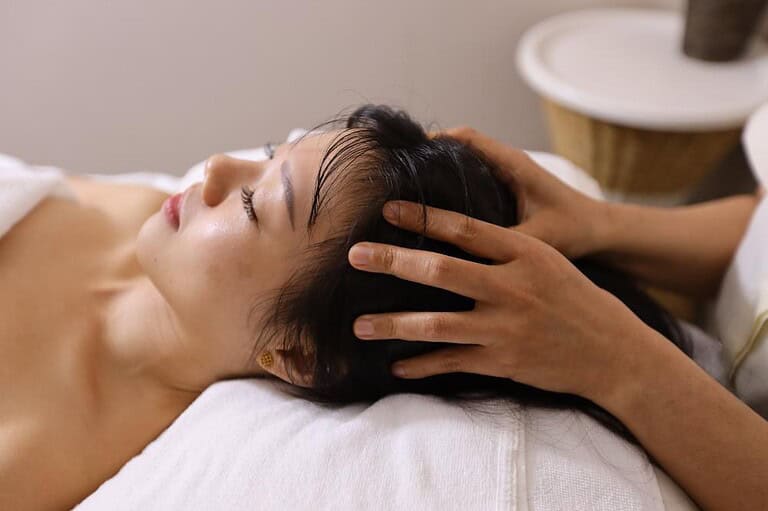
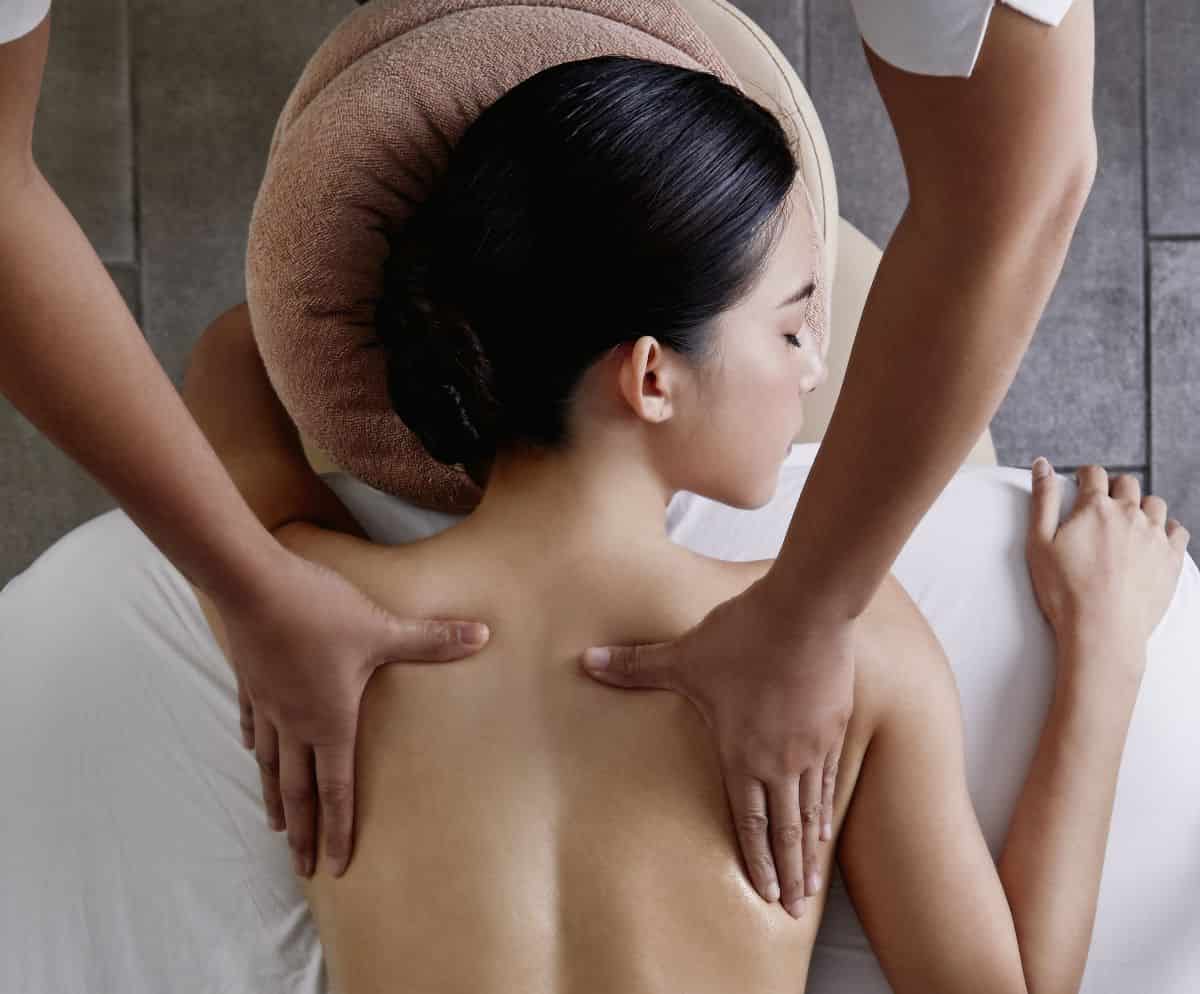
Unlike Western massage styles that focus primarily on muscle manipulation, Thai massage combines assisted stretching, rhythmic pressure, and energy line work. Therapists use their hands, elbows, knees, and feet to guide your body through yoga-like positions while applying targeted pressure to specific points.
Benefits of Thai massage:
- Improved flexibility and range of motion
- Enhanced blood circulation throughout the body
- Relief from muscular and joint pain
- Stress and tension reduction
- Restored energy balance along the body’s “sen” lines
A typical session lasts 60 to 120 minutes, and guests wear loose, comfortable clothing rather than undressing. This makes Thai massage accessible and comfortable for first-time spa visitors.
Aromatherapy Massage – Calm for the Senses
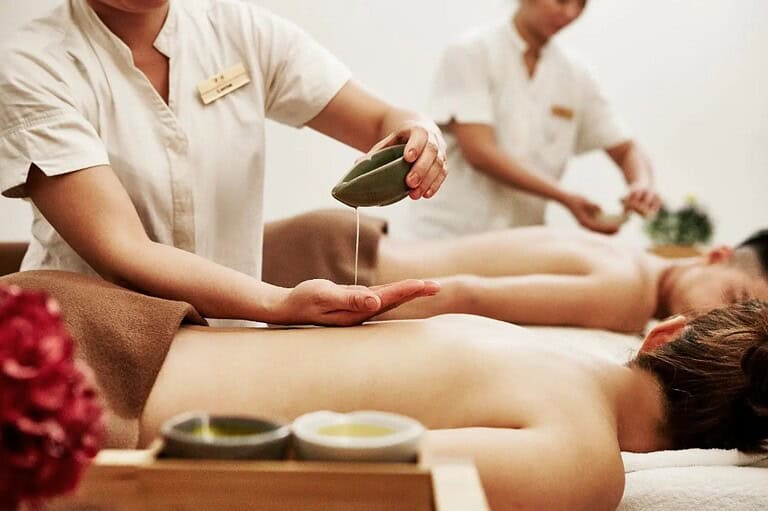
Aromatherapy massage is one of the most popular types of massage if you are seeking deep relaxation. This treatment combines gentle, flowing massage strokes with the therapeutic benefits of essential oils extracted from plants, flowers, and herbs.
Each essential oil offers different properties. Lavender promotes relaxation and sleep, eucalyptus helps clear respiratory passages, and citrus oils can boost energy and mood. Your therapist will typically select oils based on your specific needs and preferences.
Benefits of aromatherapy massage:
- Significant stress and anxiety reduction
- Improved sleep quality
- Relief from aches, pains, and muscle tension
- Enhanced mood and mental clarity
- Skin hydration and nourishment
This treatment works especially well for those experiencing mental fatigue or emotional stress. The combination of scent and touch creates a powerful calming effect that lingers long after the session ends.
Herbal Compress Massage – Ancient Thai Remedy
Herbal compress massage is one of the most distinctive types of Thai massage you can experience. This treatment uses “luk pra kob,” warm cloth bundles filled with a blend of traditional Thai herbs such as lemongrass, kaffir lime, turmeric, ginger, and camphor.
The therapist heats the compresses using steam and then presses them rhythmically across your body. The warmth helps the herbal properties penetrate the skin while relaxing tight muscles.
Benefits of herbal compress massage:
- Deep muscle relaxation and tension relief
- Improved circulation and lymphatic flow
- Reduced inflammation and joint stiffness
- Natural aromatherapy from Thai herbs
- Soothing warmth that calms the nervous system
This treatment is often combined with traditional Thai massage for a comprehensive healing experience. The natural herbs used have been part of Thai medicine for centuries.
Foot Massage – Targeted Relief
Foot massage focuses on relieving tension in the feet and lower legs through rhythmic pressure, kneading, and stretching techniques. By working on muscles, joints, and pressure points, therapists help restore comfort, improve circulation, and ease overall fatigue.
This treatment is particularly popular among travelers and those who spend long hours on their feet. It offers targeted relief without requiring a full-body treatment.
Why foot massage is worth trying:
- Relieves fatigue from walking, standing, or traveling
- Promotes better energy circulation
- Reduces stress and induces relaxation
- Sessions often last 30 to 60 minutes, which fits easily into a budget-friendly schedule.
Of the various types of massage available, foot massage provides quick, effective relief that leaves you feeling lighter and more energized.
Onsen Spa Experience – Relaxing and Revitalizing
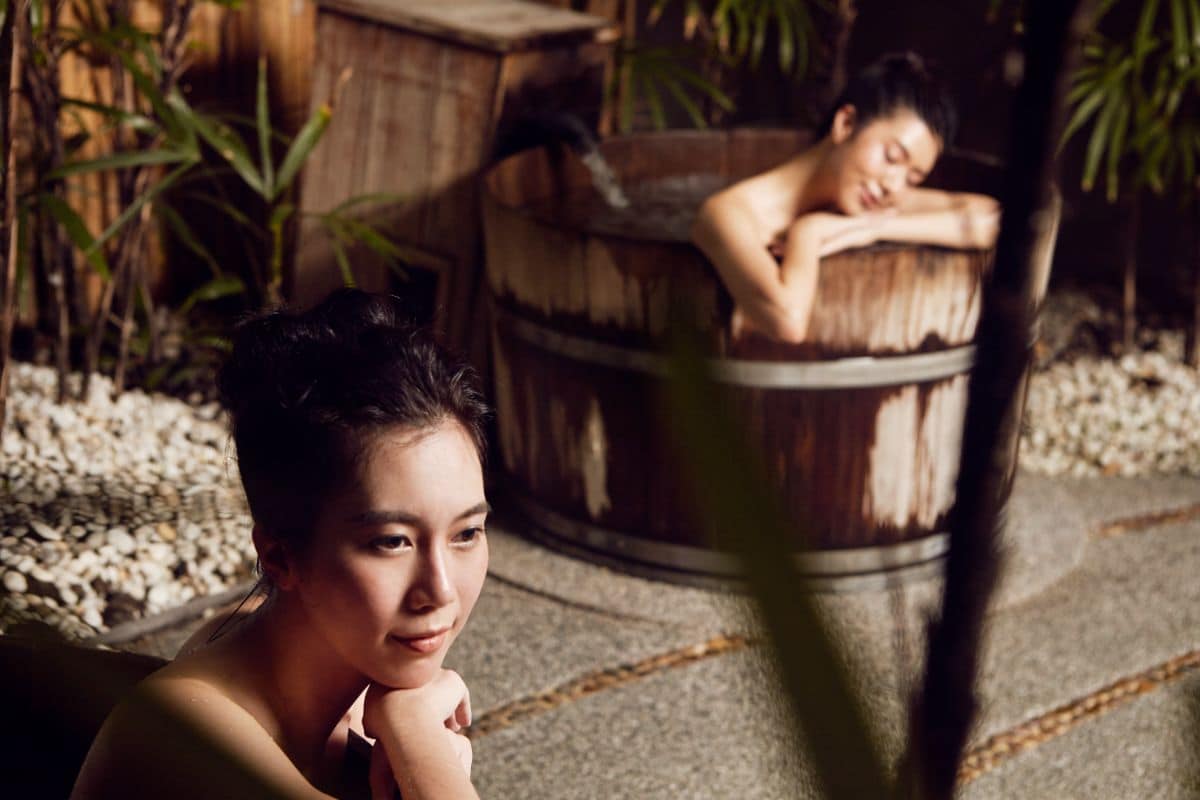
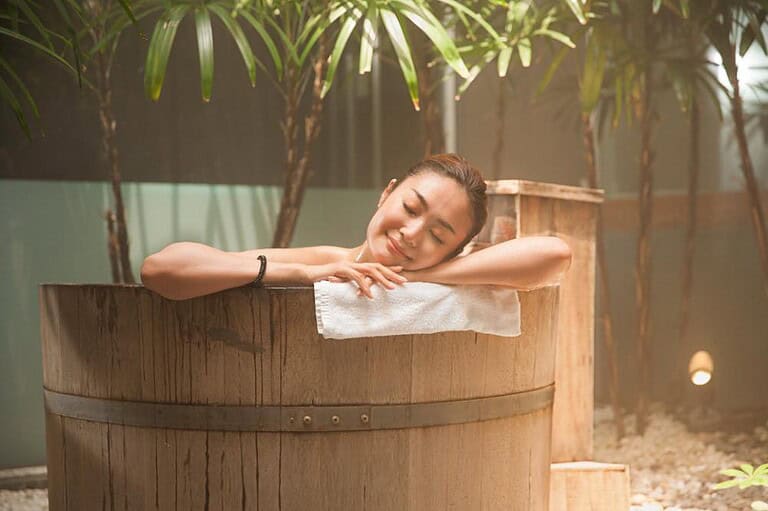
The onsen tradition comes from Japan, where natural hot spring bathing has been practiced for centuries. Today, onsen spas have become part of Thailand’s expanding wellness scene, offering guests the therapeutic benefits of mineral-rich water combined with Thai hospitality.
Onsen bathing involves soaking in heated pools containing natural minerals that promote various health benefits. Popular onsen facilities in Thailand such as Yunomori Onsen & Spa offer multiple pools at different temperatures, along with saunas and steam rooms.
Benefits of onsen bathing:
- Promotes deep relaxation and stress relief
- Supports detoxification through sweating
- Improves blood circulation
- Soothes muscle and joint discomfort
- Complements massage therapies for enhanced results
- Contrast therapy and thermal effect therapy
When paired with the different types of massage offered in Thailand, onsen bathing creates a comprehensive wellness experience that addresses both physical and mental well-being.
Experience Yunomori Onsen & Spa
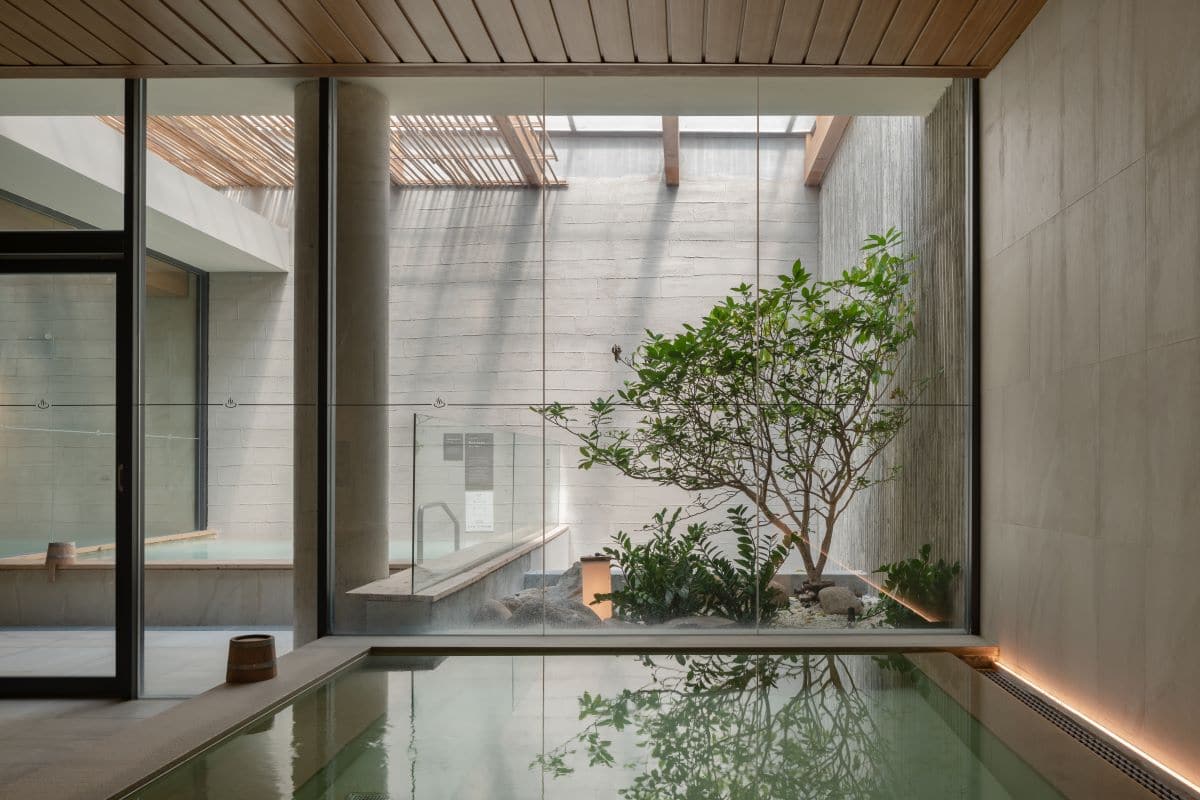
When Yunomori Onsen & Spa opened its doors in Bangkok, it introduced something the region had never seen before: an authentic Japanese onsen experience right in the heart of the city center. The concept was simple but powerful – take the centuries-old Japanese tradition of mineral hot spring bathing and pair it with Thailand’s own rich massage heritage.
That combination has kept guests coming back for over a decade. The spa has grown from its original Sukhumvit location to multiple branches across Bangkok, Pattaya, and even Singapore, yet the core philosophy remains unchanged: help people slow down, release tension, and feel restored. For anyone exploring spa and massage options in Bangkok, Yunomori Onsen & Spa offers something genuinely different from the typical day spa.
What Yunomori Onsen & Spa offers:
- Onsen baths: Multiple pools featuring mineral-rich water sourced from Thailand’s natural hot springs, including signature baths, jet baths, cold plunge pools, and outdoor garden baths
- Massage therapies: A full range of treatments including Thai massage, aromatherapy massage, herbal compress, deep tissue massage, and specialized therapies for office syndrome relief
- Additional wellness services: Body scrubs, facial treatments, steam rooms, saunas, and healthy cuisine options
Yunomori Onsen & Spa operates several locations across Bangkok (Sukhumvit and Sathorn), making it accessible for both locals and international visitors looking to experience the best types of Thai massage alongside authentic onsen bathing.
Book Your Thai Wellness Experience Today
Thailand remains the ultimate destination for massage and holistic wellness. With centuries of healing knowledge combined with modern spa innovations, the country offers treatments suited to every body and every need. From traditional Thai massage to Japanese-inspired onsen experiences, the options are as diverse as the benefits they provide.
We invite you to experience the harmony of Thai healing and Japanese tradition. Discover authentic onsen bathing and expert massage therapies at Yunomori Onsen & Spa. Book your rejuvenating session today and give your body the care it deserves.
Frequently Asked Questions
Q: What is the difference between Thai massage and oil massage?
A: Thai massage is performed fully clothed and involves assisted stretching, rhythmic pressure, and energy line work. The therapist uses their hands, elbows, knees, and feet to guide your body through various positions. Oil massage, on the other hand, is performed on bare skin using warm, nourishing oils. It features smooth, gliding strokes that focus on relaxing muscles while hydrating the skin. Thai massage is ideal for improving flexibility and energy flow, while oil massage suits those seeking gentle relaxation and skin nourishment.
Q: Can I use the onsen before or after a massage?
A: You can enjoy the onsen either before or after your massage, depending on what you want from the experience. Soaking before a massage helps warm up the muscles, ease tension, and prepare the body to receive therapeutic touch more effectively. Using the onsen after a massage allows your body to stay relaxed for longer, supports circulation, and provides a calm transition before returning to daily activities. Many guests choose to enjoy the baths both before and after their treatment to maximize the overall relaxation benefits.
Q: Which type of massage is best for first-time visitors?
A: If you’re new to massage – aromatherapy massage is an excellent starting point. Aromatherapy uses gentle pressure and flowing strokes that most people find comfortable and relaxing. If you’re open to something more active, Thai massage is also beginner-friendly since you remain fully clothed throughout. Your therapist can always adjust the pressure to suit your comfort level, so don’t hesitate to communicate your preferences.
Q: How long should a massage session last?
A: The ideal session length depends on the type of treatment and the level of relaxation or therapeutic depth you’re seeking. For targeted treatments such as foot massage, sessions of 30 to 60 minutes can be effective for relieving fatigue and tension. For full-body massages including Thai massage, aromatherapy, or herbal compress massage, 90 minutes or longer is generally recommended to allow the body to fully relax and for the therapist to work thoroughly across multiple areas. Longer sessions also provide more time for the nervous system to settle, resulting in a deeper and more lasting sense of relaxation.
Q: What should I do before and after a massage?
A: Before your massage, avoid heavy meals and arrive a few minutes early to relax and complete any paperwork. Stay hydrated but don’t drink excessive amounts right before your session. After your massage, drink plenty of water to help flush out toxins released during the treatment. Avoid strenuous activity for a few hours and give your body time to rest. If you’re at a spa like Yunomori that offers onsen facilities, a warm soak afterwards can extend your relaxation.
Q: Is Thai massage painful?
A: Thai massage involves deeper pressure and stretching than Western-style massages, which can feel intense in some areas, but it shouldn’t be painful. A skilled therapist will check in with you and adjust their technique based on your feedback. Some mild soreness the day after is normal, similar to what you might feel after a good workout. If you’re concerned about pressure levels, communicate with your therapist before and during the session—they can modify the treatment to match your comfort.
References:
Revealing the Different Types of Popular Thai Massages. (n.d.). Andamanda Phuket. Retrieved December 23, 2025, from [https://www.andamandaphuket.com/blog/explore-the-different-types-of-popular-thai-massages]
7 Types of Thai Massage: Ancient Healing Techniques. (2024, September 19). Sabai Thai Spa. Retrieved December 23, 2025, from [https://sabaithai.com/7-types-of-thai-massage-ancient-healing-techniques/]