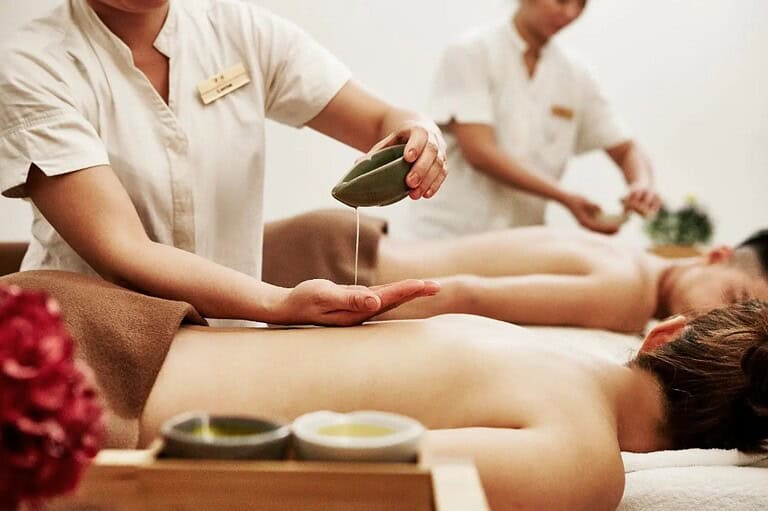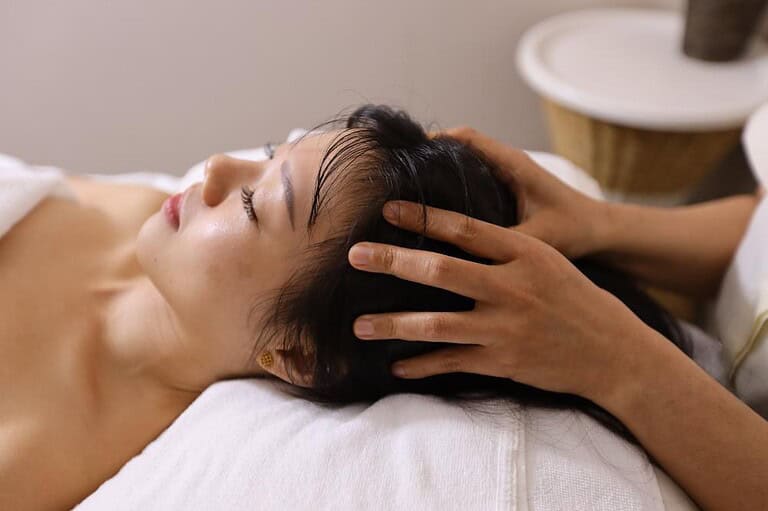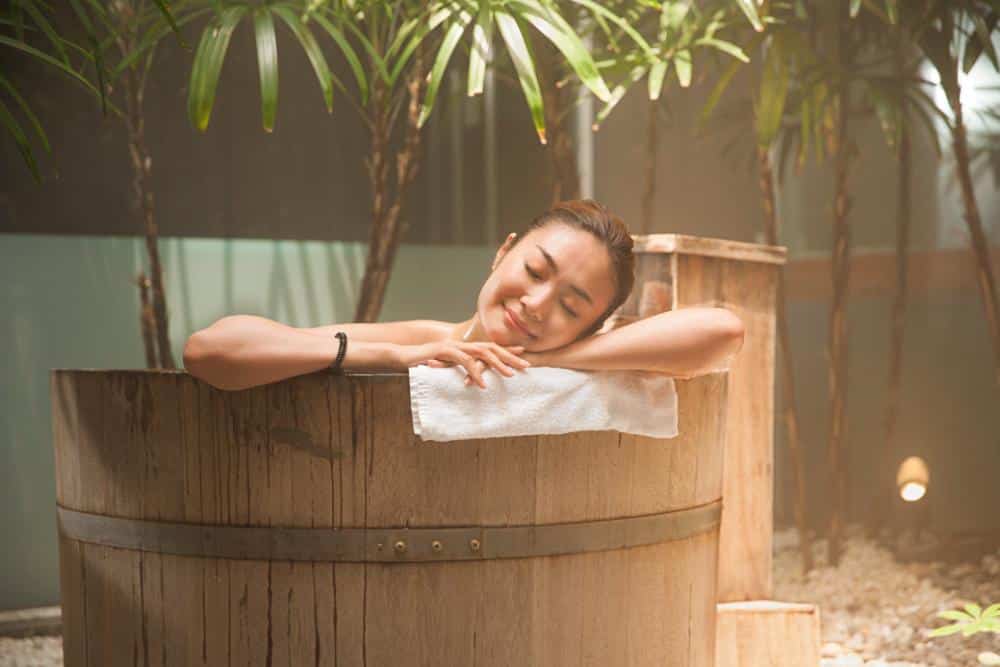
The allure of ancient wellness traditions lies in their ability to provide more than just superficial comfort. Two notable traditions are Japanese hot spring bathing and Thai therapeutic massage. Despite their development in separate locations thousands of miles apart, both exhibit comparable beliefs in balance, reverence for the body, and collective welfare.
For those seeking authentic wellness experiences, Yunomori Onsen & Spa offers a rare opportunity to experience both traditions under one roof. As a leading onsen spa and massage in Bangkok, Yunomori Onsen & Spa combines the historic ritual of Japanese hot spring bathing with the therapeutic depth of traditional Thai massage for complete physical and mental renewal.
The History of Onsen in Japan
Japan’s volcanic geography, with some 200 volcanoes and thousands of natural hot springs scattered across the country, contributed to the birth of the onsen bathing culture over 1,300 years ago.
The earliest documentation of Japanese onsen culture showed that it was closely tied to Shinto purification rituals. Water was considered sacred, and the practice of cleansing the body before entering shrines remains customary to this day.
When Buddhism arrived in Japan during the 6th century, monks recognized the benefits of hot springs and helped popularize communal bathing as both a spiritual and physical practice.
By the Edo period (17th to 19th centuries), onsen towns developed as travel became common. What started as a purification ritual has become a practice for leisure, relaxation, and social connection, shaping the popular onsen culture that carries on to this day.
Why Onsen Became Central to Japanese Society
Japanese onsen culture reflects a philosophy of harmony with nature, respect for shared spaces, and mindful presence.
The mineral-rich waters of natural hot springs contain elements such as sulfur, calcium, and magnesium, which are believed to support skin health, muscle recovery, and circulation. For centuries, Japanese people have visited onsen to recover from illness, ease chronic pain, and restore energy.
Beyond the physical, onsen bathing promotes mental clarity and reduces stress. The ritual of thoroughly washing before entering the bath, the quiet atmosphere, and the practice of being fully present create conditions for deep relaxation. This meditative quality sets onsen culture in Japan apart from ordinary bathing.
The concept of “hadaka no tsukiai” (naked companionship) describes the unique bonds formed when people shed status or pretence along with their clothing. Onsen bathing has historically served as a social equalizer, allowing people from different backgrounds to connect in a shared space.
Thai Massage: The Origins of an Ancient Healing Art
Thai massage, also known as Nuad Thai or Nuad Boran, can be traced back to the teachings of Jivaka Kumar Bhaccha over 2,500 years ago. Known as the “Father Doctor” of Thai medicine, Jivaka was a physician from northern India who served as a contemporary and personal doctor to the Buddha. His healing knowledge combined Ayurvedic principles with local practices, and he eventually traveled to Thailand with Buddhist monks.
Thai monks then preserved and practised these ancient techniques as acts of merit and compassion, caring for fellow monks and community members who sought healing.
Even though most historical records of Thai massage were lost when Burmese invaders destroyed the old capital of Ayutthaya in 1767, 60 stone plaques, depicting energy lines, pressure points, and treatment protocols, remain on display at Wat Pho.
In 2019, UNESCO added traditional Thai massage to its list of Intangible Cultural Heritage of Humanity, recognizing its significance.
Why Massage Is Integral to Thai Daily Life
Central to Thai massage is the concept of Sen lines, energy pathways that run throughout the body, similar to meridians in Chinese medicine or nadis in Ayurveda. Blocked or stagnant energy along these lines leads to physical, mental, or emotional imbalances.
In Thailand, massage is woven into everyday life as preventive care and self-maintenance, with restorative benefits that extend beyond physical relief.
Traditional Thai massage involves:
- Rhythmic acupressure: Applied along energy lines using hands, elbows, knees, and feet
- Assisted stretching: Moves the body through yoga-like positions
- Deep compressions: Releases muscle tension and improve circulation
- Mindful presence: Rooted in Buddhist principles of loving-kindness (metta)
Why Onsen and Thai Massage Deserve the Attention
Both Japanese onsen culture and Thai massage have gained worldwide popularity because they address the whole person, not just isolated symptoms. They invite participants to ground themselves in the present and honor the body’s need for care.
Several factors drive this interest:
- Desire for authenticity: People seek experiences with cultural depth and history rather than generic spa treatments.
- Preventive wellness: There is growing awareness that regular self-care practices reduce long-term health issues.
- Mind-body connection: Both traditions recognize that physical relaxation supports mental clarity and emotional balance.
For frequent travelers, expats, and urban professionals dealing with stress, poor posture, and sedentary lifestyles, these traditions offer practical solutions that have stood the test of time.
Two Traditions at Yunomori Onsen & Spa
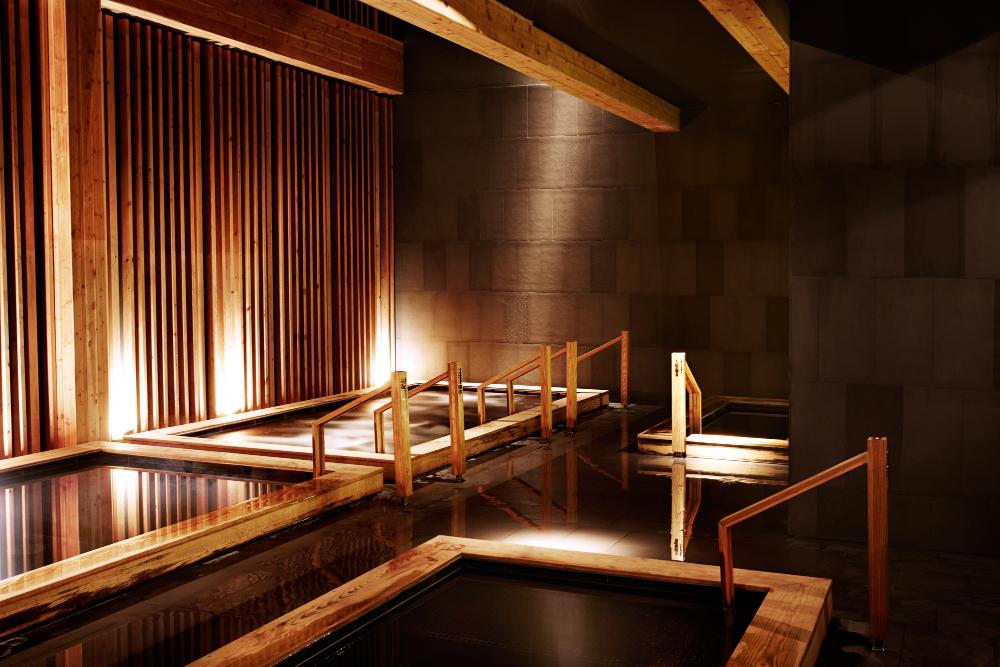
Yunomori Onsen & Spa brings together the best of Japanese onsen culture and Thai therapeutic massage in one thoughtfully designed space. Located in the heart of Bangkok, Yunomori Onsen & Spa serves as a sanctuary where guests can experience holistic healing.
First, experience our mineral-rich hot spring baths that follow traditional Japanese bathing practices. Guests are encouraged to wash thoroughly before entering the communal waters, honoring the etiquette that makes onsen culture in Japan a shared experience of mutual respect.
Afterwards, indulge in our spa’s Thai massage with therapists who are trained in traditional techniques. Treatments are tailored to individual needs, addressing everything from office syndrome and muscle tension to stress relief and improved circulation.
Why This Combination Works
When onsen bathing precedes massage, the warm mineral water relaxes muscles, improves circulation, and prepares the body to receive deeper therapeutic work. Massage then extends these benefits by releasing remaining tension while deeply calming the nervous system.
Together, these practices support:
- Physical recovery and muscle relaxation
- Improved blood circulation
- Mental clarity and stress reduction
- Deeper, more restful sleep
- A sense of balance and renewed energy
For those seeking true recovery, Yunomori Onsen & Spa offers an authentic way to care for both body and mind. View ongoing promotions and book your session today.
- Sukhumvit Soi 26 (open 10:00–00:00)
- Sathorn Soi 10 (open 10:00–00:00)
- Pattaya (open 10:00–22:00)
References:
- The History of the Onsen. Retrieved from https://www.kcpinternational.com/2021/08/the-history-of-the-onsen/
- Traditional Thai massage. Retrieved from https://en.wikipedia.org/wiki/Traditional_Thai_massage
- The History and Origins of Thai Massage. Retrieved from https://www.nuadthaischool.com/the-history-and-origins-of-thai-massage/
Frequently Asked Questions About Japanese Onsen Culture
Q: What is the origin of Japanese onsen culture?
A: Japanese onsen culture began over 1,300 years ago, driven by the country’s volcanic geography and natural hot springs. It was initially linked to Shinto purification rituals and later influenced by Buddhist communal bathing practices.
Q: What are the health benefits of onsen bathing?
A: Onsen bathing may support muscle recovery, improve circulation, promote skin health through mineral-rich waters, reduce stress, and enhance mental clarity through mindful relaxation.
Q: What is traditional Thai massage based on?
A: Traditional Thai massage is based on ancient healing teachings attributed to Jivaka Kumar Bhaccha and centers on Sen energy lines, combining acupressure, assisted stretching, and deep compressions.
Q: Why is Thai massage important in Thai culture?
A: Thai massage is considered preventive care in daily life, helping maintain energy balance, relieve tension, improve circulation, and support overall physical and emotional well-being.
Q: What makes onsen bathing different from regular baths?
A: Onsen bathing follows specific rituals such as washing before entering communal waters, maintaining a quiet atmosphere, and embracing shared spaces, creating a meditative and social experience beyond ordinary bathing.
Q: Why combine onsen bathing with Thai massage?
A: Warm mineral baths relax muscles and improve circulation, preparing the body for deeper therapeutic massage, which further releases tension, improves flexibility, and calms the nervous system.
Q: Where can you experience both onsen and Thai massage in Bangkok?
A: Yunomori Onsen & Spa in Bangkok offers authentic Japanese hot spring bathing alongside traditional Thai massage in a single wellness sanctuary.