Understanding Office Syndrome and the Benefits of a Massage

Key Takeaways
- Office syndrome is a common condition among working professionals caused by prolonged sitting, repetitive motions, and poor posture.
- Symptoms often include pain or stiffness in the neck, shoulders, back, and wrists, as well as recurring headaches.
- If left untreated, office syndrome can progress into chronic pain and reduced mobility, affecting daily comfort and productivity.
- The main causes include repetitive and limited movement during the workday, poor posture, and improper desk ergonomics.
- Professional office syndrome therapy focuses on releasing muscle tension, improving circulation, restoring flexibility, and supporting healthier movement patterns.
- Benefits of office syndrome therapy include immediate pain relief, better posture and mobility, reduced stress, and prevention of long-term complications.
- Simple preventive habits such as taking regular breaks, maintaining proper ergonomic setup, stretching, and scheduling professional treatments help reduce recurrence and severity.
- At Yunomori Onsen & Spa, office syndrome treatment is enhanced by Japanese onsen bathing using mineral-rich hot spring water, preparing muscles for deeper therapeutic massage and longer-lasting relief.
Table of Contents
Office syndrome affects many working professionals today, particularly those who spend long hours at a desk with minimal movement. In Thailand alone, the Department of Health has cited that a large portion of the urban working population experiences symptoms related to office syndrome, particularly in the neck, shoulders, and back, areas that bear the brunt of static postures and repetitive tasks.
This post will help you understand what office syndrome is and why getting therapy at a trusted spa and massage in Bangkok can make a significant difference in both short-term comfort and long-term musculoskeletal health.
What is Office Syndrome?
Office syndrome is a condition of muscle and joint pain caused by long periods of sitting, repetitive actions, and bad posture. People experiencing office syndrome often report pain or stiffness in the neck, shoulders, back, and wrists, and frequent headaches.
Ignoring these symptoms can make them worse, possibly causing chronic pain and a lower quality of life. This is a reality for people who spend all day at computers, sit still for long periods, or don’t move much at work.
Main Causes of Office Syndrome
Office syndrome doesn’t happen overnight. It develops gradually from daily habits and ergonomic strain. Some of the most common contributing factors include:
- Sitting too long without breaks: Staying in the same seated position for hours at a time can increase muscle tension and reduce circulation.
- Poor desk ergonomics: Low or high screens, unsupportive chairs, and poorly placed keyboards can strain the neck, shoulders, and back.
- Slouching and “text neck”: Leaning forward toward screens or phones places extra stress on the upper spine and soft tissue.
- Repetitive movements: Constant typing, using the mouse, or reaching without variation can overtax specific muscle groups.
How Treatment Works
Addressing office syndrome requires a combination of targeted therapy and lifestyle adjustments. Professional treatment focuses on relieving tension, improving movement patterns, and supporting long-term comfort.
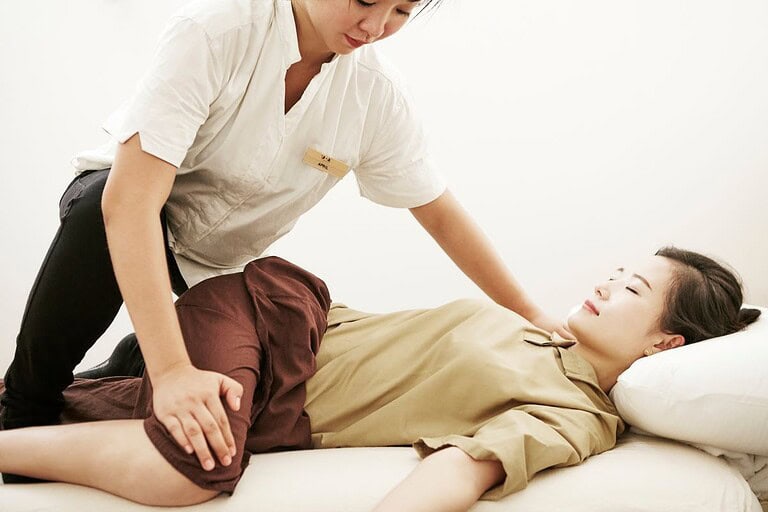
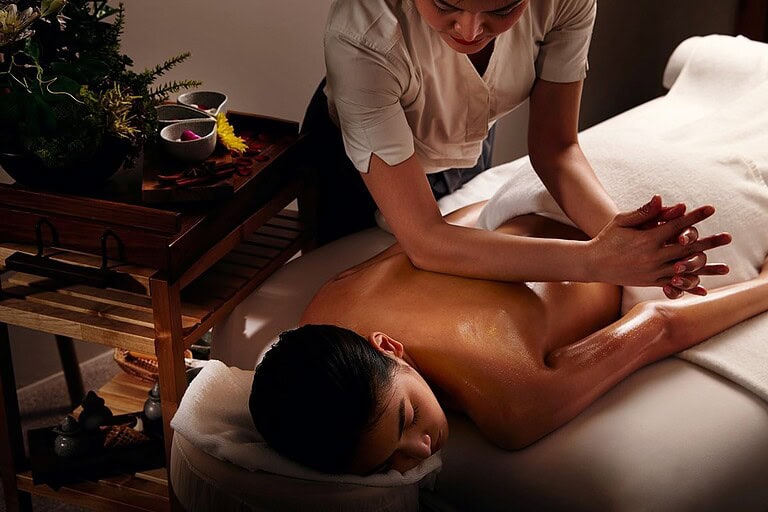
Trigger point therapy helps release tight muscle “knots” that form due to repetitive strain and static postures. Skilled therapists apply focused pressure to these spots, helping muscles relax and reducing associated pain. Additionally, deep tissue massage and stretching help elongate tight fibers, improve flexibility, and increase blood flow to affected areas. This promotes oxygen and nutrient circulation, supporting tissue recovery and reducing the sensation of stiffness.
Over time, these techniques not only reduce pain but also help the body establish healthier patterns of movement and posture.
Benefits of Office Syndrome Therapy
Getting professional office syndrome therapy offers several meaningful benefits:
- Immediate pain relief: Hands-on work quickly reduces muscle tightness, especially around the neck, shoulders, and back.
- Better mobility and posture: Improved range of motion and alignment help reduce strain during daily activities.
- Reduced stress: The physical relief gained from therapy often brings a calming effect to the nervous system.
- Prevents serious complications: Early treatment can prevent minor strains from developing into long-term problems, such as chronic back pain or nerve compression.
These office syndrome therapy benefits help promote comfort and productivity, which is why many busy professionals prioritize preventive care and get regular massages.
Prevention Tips for Office Syndrome
Small changes in daily behavior can make a notable difference in how your body feels at the end of the day. Aside from therapy, a few simple habits can help reduce the risk or severity of office syndrome:
- Take hourly breaks: Stand up, move around, or stretch gently every 45-60 minutes.
- Proper ergonomic setup: Adjust your chair, monitor height, and keyboard to support a neutral posture.
- Regular stretching: Focus on the neck, shoulders, chest, and upper back to release built-up tension.
- Professional treatments: Regular sessions with trained therapists help reset muscles and improve flexibility.
Relief for Office Syndrome at Yunomori Onsen & Spa
For those seeking comprehensive relief from office syndrome, Yunomori Onsen & Spa in Bangkok’s Sukhumvit and Sathorn areas offers a specialized approach that blends traditional Japanese and Thai wellness practices.
Our 90-minute Office Syndrome Treatment combines trigger point therapy to ease tight muscles, release fascia adhesions to reduce chronic muscle pain, and promote better movement. Deep tissue and stretching techniques increase muscular flexibility and improve blood flow circulation.
What sets Yunomori Onsen & Spa apart is the integration of authentic Japanese onsen bathing either before and/or after your massage. Soaking in mineral-rich hot spring water warms the muscles and loosens soft tissue, allowing therapists to work more effectively. Mineral water’s therapeutic heat supports relaxed muscles, which can help deepen the effects of massage therapy.
Our professional therapists, trained in traditional Thai massage in Bangkok, are experienced in helping address symptoms while promoting long-term muscular balance for office-related musculoskeletal conditions. Book a treatment session at Yunomori Onsen & Spa to experience relief from Office Syndrome symptoms.
References:
Is Office Syndrome Treatable? Retrieved on 14 January 2026 from [https://www.bumrungrad.com/en/health-blog/october-2020/office-syndrome-treatments]
Office Syndrome. Retrieved on 14 January 2026 from [https://www.medparkhospital.com/en-US/disease-and-treatment/office-syndrome]
Frequently Asked Questions
What is office syndrome?
Office syndrome refers to muscle and joint discomfort caused by prolonged sitting, repetitive and static motions, and poor posture. It commonly affects the neck, shoulders, back, and wrists.
Who is most likely to get office syndrome?
People who spend long hours sitting in one position, especially at computer workstations with poor ergonomics, are most at risk.
What does office syndrome therapy involve?
Therapy typically includes trigger point release, deep tissue massage, stretching, and movement work to ease tension, improve circulation, and restore better function.
Can office syndrome lead to chronic pain?
Yes. If left untreated, repetitive strain and poor posture can lead to chronic pain and musculoskeletal conditions over time.
How often should someone get treatment?
Frequency depends on the severity of symptoms. Many people benefit from regular weekly sessions, while others may require more or less frequent care.
Can ergonomic changes help prevent office syndrome?
Absolutely. Maintaining a correct ergonomic setup and taking regular breaks are key to reducing the risk of developing or worsening symptoms.
Does exercise help with office syndrome?
Yes. Regular stretching and strength exercises help maintain better posture and reduce muscle fatigue commonly associated with office work.