Every year, millions of travelers seek out hot spring destinations for their healing properties and restorative atmosphere. But what is an onsen in Japan, and why has this centuries-old bathing tradition spread across the globe? From stress relief to skin rejuvenation, the appeal of soaking in mineral-rich waters continues to grow.
This guide covers everything you need to know, including what is an onsen, its history, how to use onsen baths correctly, their benefits, and where to find an exceptional onsen and spa in Bangkok at Yunomori.
What Is an Onsen?
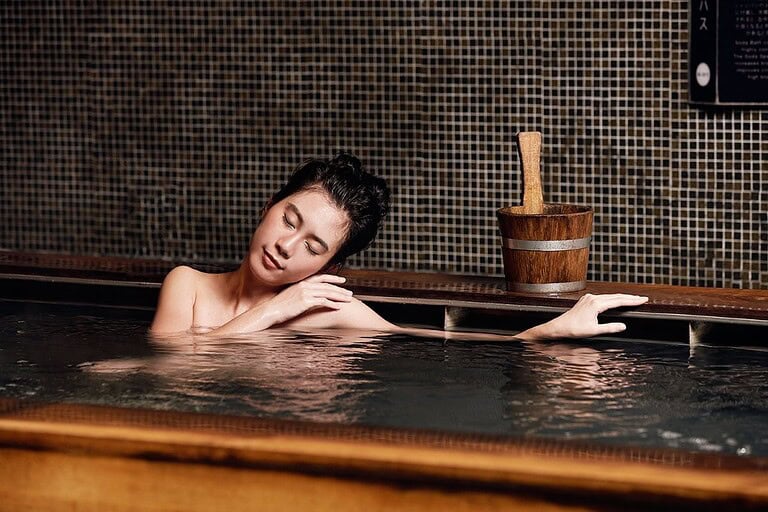
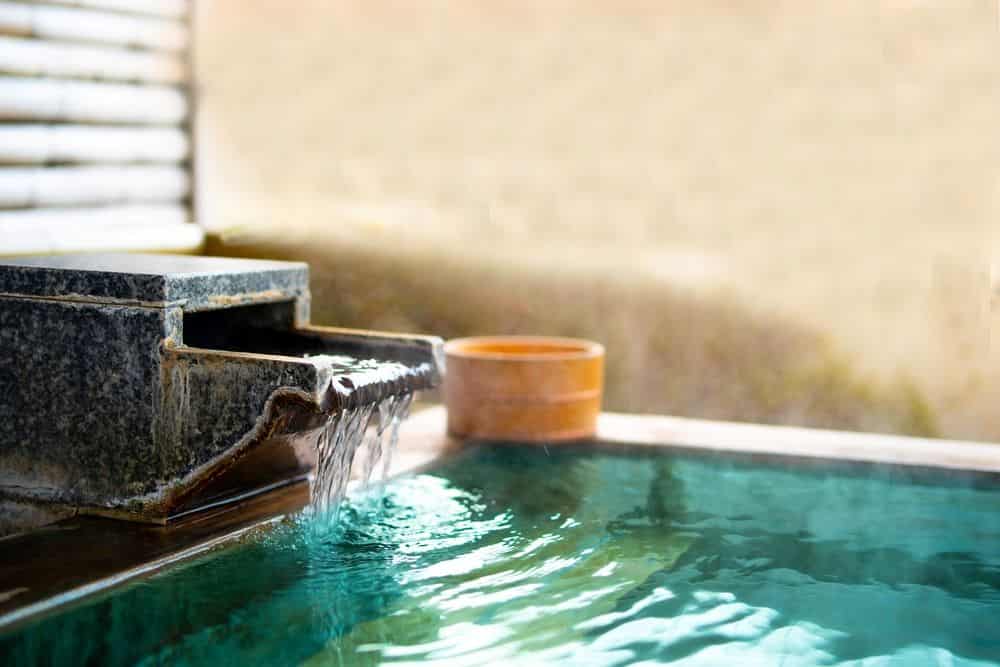
An onsen is a hot spring bath that uses naturally heated water from underground geothermal sources. The water contains minerals such as sulfur, sodium, and calcium, which provide therapeutic benefits for the skin and body.
There are several types of onsens to explore:
- Indoor onsens are enclosed bathing areas with controlled temperatures
- Outdoor onsens (rotenburo) allow bathers to soak while surrounded by nature
- Communal onsens are shared public spaces, often separated by gender
- Private onsens offer individual or family bathing rooms for more privacy
Understanding what is an onsen helps visitors appreciate its cultural significance and health advantages.
Origins and Evolution of Onsen Culture
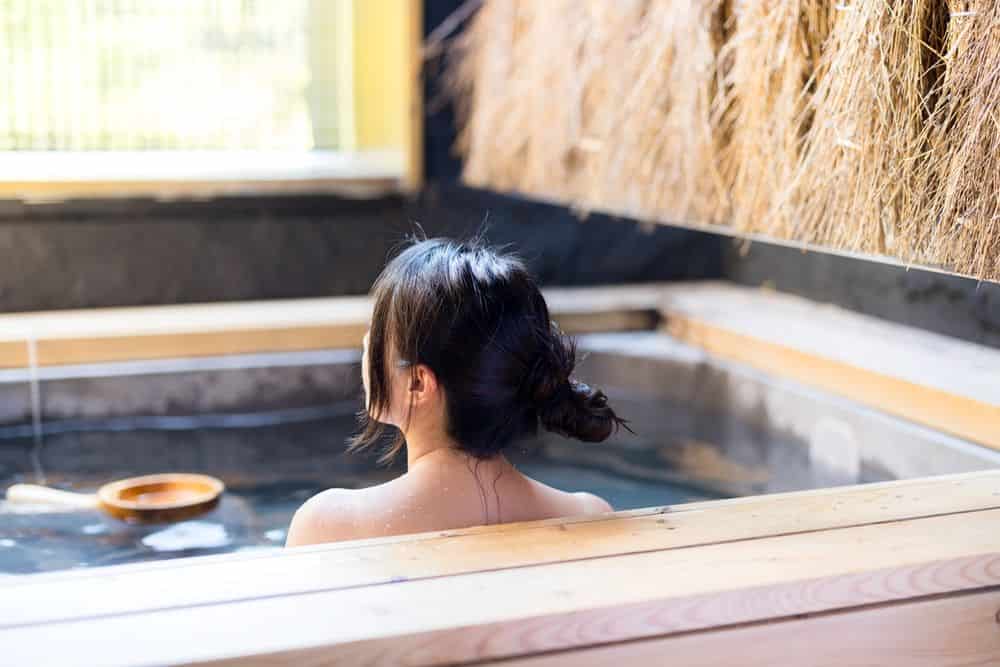
The history of onsens dates back over a thousand years. Early Japanese communities used natural hot springs for both spiritual purification and medicinal healing. Bathing in these waters was believed to cleanse the body and calm the mind.
Over time, onsens became more structured. Traditional inns called ryokans began offering onsen experiences as part of overnight stays. Public bathhouses, or sento, also incorporated hot spring water into their facilities.
In the modern era, onsen culture has evolved to accommodate international visitors. Facilities now feature improved amenities, multilingual signage, and more accessible bathing options.
How to Use Onsen Baths Step by Step
Learning how to use onsen facilities properly ensures a comfortable experience for yourself and others. Here is a step-by-step guide:
- Arrival: Enter the changing room, remove your shoes, and store your belongings in a locker
- Washing first: Sit at a shower station and thoroughly clean your body before entering the bath
- Soaking: Enter the water gradually to adjust to the temperature, which typically ranges from 38°C to 42°C (100°F to 108°F)
- Duration: Soak for 3 to 10 minutes per session to avoid overheating
- Exiting: Dry off gently before returning to the changing area, and take time to rest and hydrate
Knowing how to use onsen facilities shows respect for the tradition and enhances your overall experience.
Recommended Onsen Bathing Frequency
How often you use an onsen can influence how your body responds over time. The benefits tend to build gradually with consistent visits:
- First visit: You may notice immediate relaxation, reduced muscle tightness, improved circulation, and better sleep quality after soaking.
- Once a week: Regular weekly visits help manage ongoing stress, support muscle recovery, and maintain overall physical balance, especially as part of a broader wellness routine.
- Up to three times per week: Frequent onsen bathing can support long-term muscle flexibility, joint comfort, and recovery from physical strain, making it ideal for active lifestyles or those managing chronic tension.
For best results, listen to your body, stay well hydrated, and allow adequate rest between sessions.
Benefits of Visiting an Onsen
The benefits of onsen bathing extend to physical, mental, and social wellness.
Physical benefits:
- Improved blood circulation
- Relief from muscle aches and joint stiffness
- Skin nourishment from natural minerals
- Reduced tension and fatigue
Mental benefits:
- Stress relief and relaxation
- Better sleep quality
- A calm, meditative state of mind
Social and cultural benefits:
- Cultural immersion and mindful travel
- Community connection through shared experiences
Global Adaptations of Onsen Culture
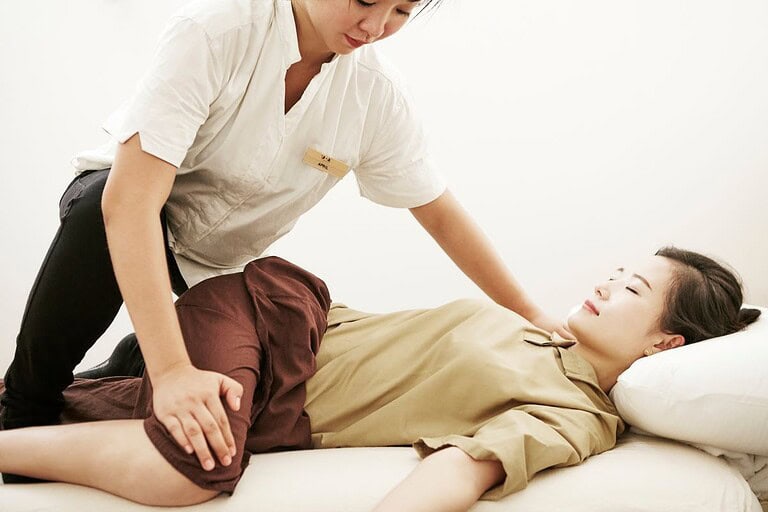
Wellness centers around the world are now adopting onsen-style experiences. These modern facilities often combine traditional Japanese bathing with additional services such as massage therapies, healthy dining, and relaxation lounges. This hybrid approach makes onsen culture accessible to new audiences while preserving its core principles.
Best Practices and Etiquette for Modern Onsens
Modern onsen spas have adapted etiquette rules for international guests:
- Rinse before soaking: Always shower before entering the bath
- Swimwear policies: Many facilities allow swimwear or provide spa garments
- Respect quiet zones: Keep conversations low in bathing areas
- Rotate between pools: Avoid staying in one spot for extended periods
- Stay hydrated: Take breaks and drink water regularly
- Enjoy wellness add-ons: Combine your soak with massages or relaxation services
Visit Yunomori Onsen and Spa in Bangkok
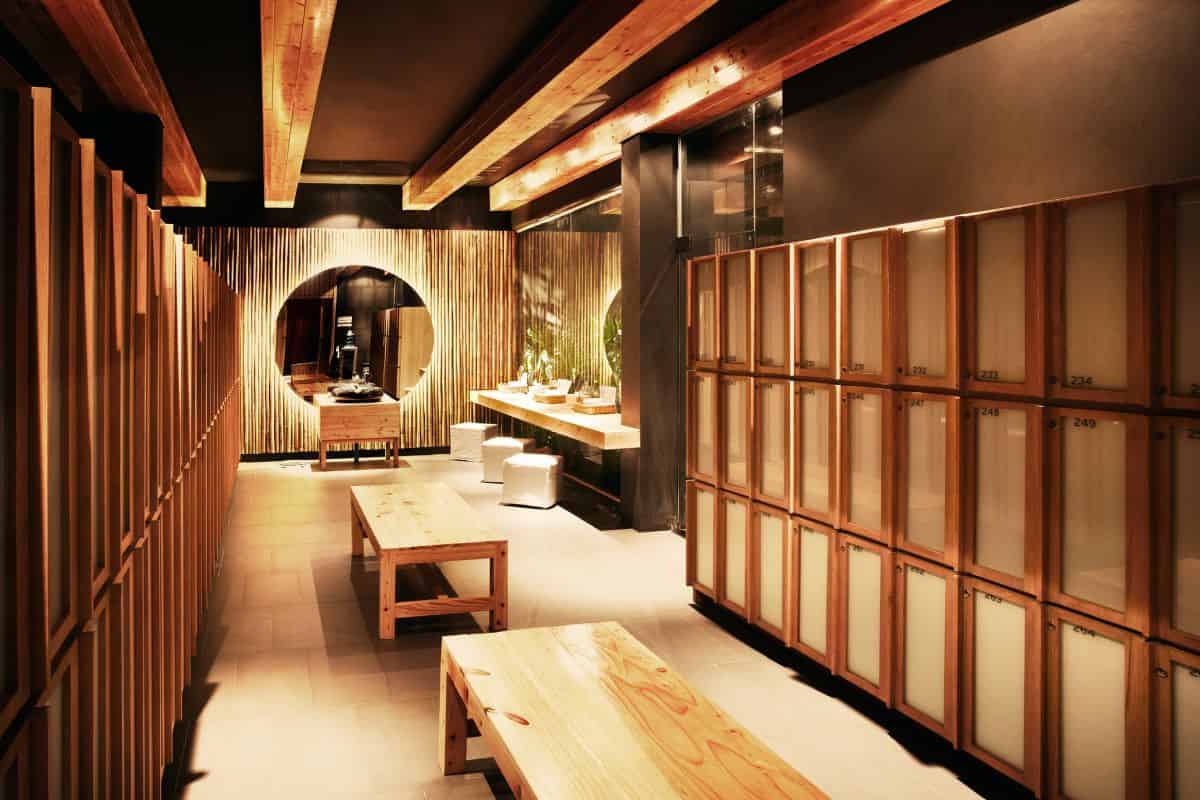
If you are seeking an authentic onsen and spa in Bangkok, Yunomori offers a unique wellness experience. As Southeast Asia’s first authentic onsen spa, Yunomori combines Japanese bathing traditions with Thai healing culture.
What makes Yunomori special:
- Mineral-rich onsen baths with therapeutic thermal effects
- Traditional Thai and aromatherapy massage treatments
- Healthy cuisine to complement your wellness journey
- A combination of Japanese and Thai wellness practices
Locations in Thailand:
- Sukhumvit Soi 26 (open 10:00–00:00)
- Sathorn Soi 10 (open 10:00–00:00)
- Pattaya (open 10:00–22:00)
Visitors can book onsen sessions, massage therapies, or combination packages for a complete experience.
Your Next Step Toward Relaxation Starts Here
An onsen is a wellness ritual that restores the body, calms the mind, and connects you to a rich cultural tradition. From understanding what is an onsen in Japan to learning how to use onsen facilities with proper etiquette, this guide equips you with everything needed for a meaningful experience.
In Thailand, Yunomori Onsen and Spa in Bangkok offers access to this time-honoured practice through thoughtfully designed bathing spaces.
Contact us today to book your session – we look forward to welcoming you!
Frequently Asked Questions
Q: What is an onsen and how is it different from a regular hot tub?
A: An onsen uses naturally heated geothermal water rich in minerals like sulfur and sodium. Regular hot tubs use artificially heated tap water without the same therapeutic mineral content.
Q: Do I need to be fully nude at an onsen?
A: Traditional Japanese onsens require nudity, but modern facilities outside Japan, like Yunomori in Bangkok, often allow swimwear or provide spa garments for guest comfort.
Q: How long should I stay in an onsen bath?
A: Most experts recommend soaking for 10 to 20 minutes per session. Take breaks between soaks to cool down and stay hydrated.
Q: Can I visit an onsen if I have tattoos?
A: Many traditional Japanese onsens restrict tattooed guests, but international and modern facilities like Yunomori are generally tattoo-friendly. Check the specific policy before visiting.
Q: What should I bring to an onsen spa?
A: Most facilities provide towels, toiletries, and storage lockers. Bring personal items like a change of clothes, and leave valuables at home or in secure lockers.
References:
Japan National Tourism Organization (JNTO) – Onsen Information. (n.d.). Japan National Tourism Organization. Retrieved January 7, 2026, from [https://www.japan.travel/en/see-and-do/onsen/]
Japan Guide – Onsen Beginner’s Guide. (n.d.). Japan Guide. Retrieved January 7, 2026, from [https://www.japan-guide.com/e/e2292.html]
JNTO Philippines – Onsen Etiquette Guide. (n.d.). Japan National Tourism Organization. Retrieved January 7, 2026, from [https://www.japan.travel/en/ph/story/onsen-etiquette/]
Rakuten Travel – Complete Guide to Onsens. (n.d.). Rakuten Travel. Retrieved January 7, 2026, from [https://travel.rakuten.com/contents/usa/en-us/guide/complete-guide-onsens/]
Hakone Japan Official Tourism Site – How to Onsen in Japan. (n.d.). Hakone Japan Official Tourism Site. Retrieved January 7, 2026, from [https://hakone-japan.com/things-to-do/onsen/how-to-enjoy-onsen/how-to-onsen-in-japan/]