A First-Timer’s Guide on How to Prepare for a Massage & What to Do After
Key Takeaways
- Proper preparation helps your body relax more deeply and improves the effectiveness of both massage and onsen bathing.
- Aftercare supports longer-lasting benefits, including better circulation, muscle recovery, and mental calm.
- Arriving early allows time to unwind and prepares the body for treatment, especially when starting with an onsen bath.
- Hydrating and consuming light meals hours before a massage helps maintain comfort and support circulation.
- Understanding how to prepare for Thai massage includes warming up the body, wearing appropriate clothing provided, and being open to gentle movement.
- Knowing what you should not do before a massage, such as drinking alcohol, overeating, or exercising intensely, helps avoid discomfort and reduced benefits.
- Rest, hydration, and light nourishment after a massage allow the body to recover naturally.
- First-time guests benefit from shorter sessions, gentler pressure, and allowing time after the visit to relax.
- Onsen etiquette and mindful behavior help create a calm, respectful environment for all guests.
- Yunomori Onsen & Spa combines traditional Japanese onsen culture with Thai therapeutic massage to offer a comprehensive, authentic wellness experience.
Table of Contents
- Why Preparation and Aftercare Matter
- How to Prepare for a Massage at Yunomori Onsen & Spa
- What You Should Not Do Before a Massage
- What to Do After a Massage
- Tips for First-Time Massage and Onsen Guests
- Why Experience Onsen and Massage at Yunomori Onsen & Spa
- Frequently Asked Questions
If you are planning your first massage or onsen visit, knowing what to do beforehand and how to care for yourself afterward allows you to experience its full benefits. Proper preparation helps your body relax more deeply, while thoughtful aftercare supports longer-lasting results.
For those seeking authentic wellness experiences, a visit to Yunomori Onsen & Spa, a trusted spa and massage in Bangkok, offers more than a single treatment. It offers a complete approach to relaxation rooted in Japanese onsen culture and Thai therapeutic practices.
Why Preparation and Aftercare Matter
Massage works with the body, not against it. When muscles are warmed, hydrated, and relaxed, they respond better to touch and pressure. Aftercare then prolongs the benefits of a massage, including improved circulation, muscle recovery, and mental calm.
At Yunomori Onsen & Spa, massage is thoughtfully paired with onsen bathing, a combination that supports both physical comfort and mental clarity. This is especially beneficial for individuals who work long hours, experience stress, or frequently travel.
How to Prepare for a Massage at Yunomori Onsen & Spa
These tips can help you understand how to prepare for a massage, especially if you are a first-time guest.
Arrive Early and Relax First
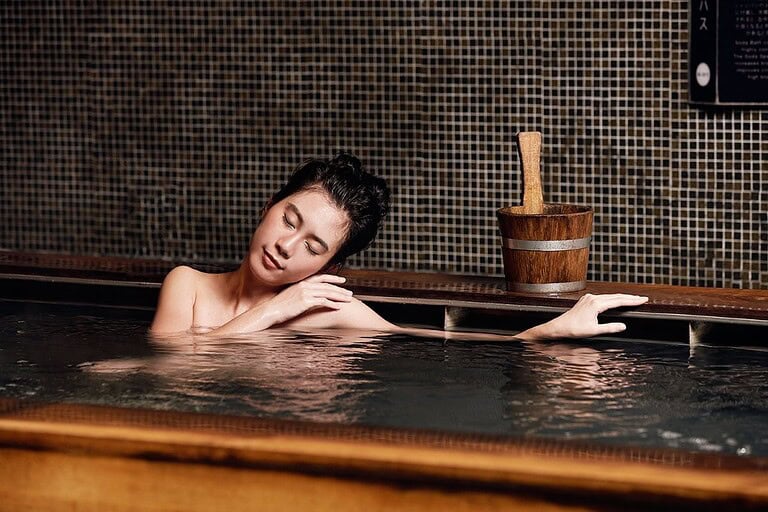
Arriving 15 to 20 minutes early gives your body time to shift out of daily stress. Rushing directly into a treatment can keep the nervous system on alert. At Yunomori Onsen & Spa, guests are encouraged to begin with an onsen bath. Soaking in warm mineral water relaxes muscles, improves circulation, and prepares the body to receive a massage more comfortably.
Hydrate Before Your Session
Stay hydrated throughout the day, aiming for a glass or two in the hour leading up to your massage, but stop drinking large amounts right before your session to avoid needing the restroom during treatment. Drinking water helps support circulation and enables the body to respond more easily to muscle work. Hydration also helps the body eliminate byproducts released during massage.
Eat Lightly
A light, balanced meal is ideal 1 to 2 hours before your massage if you plan to enjoy both onsen bathing and massage in one visit. A heavy meal before a massage can cause discomfort when lying down.
Warm Up at the Onsen
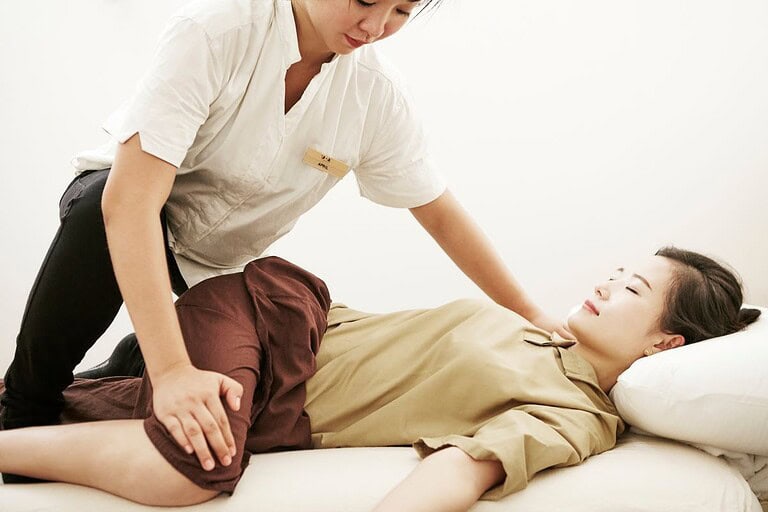
One of the best ways to understand how to prepare for Thai massage is through onsen bathing. Warm water relaxes connective tissue and joints, allowing Thai massage stretches to feel more natural and comfortable.
Wear Comfortable Clothing
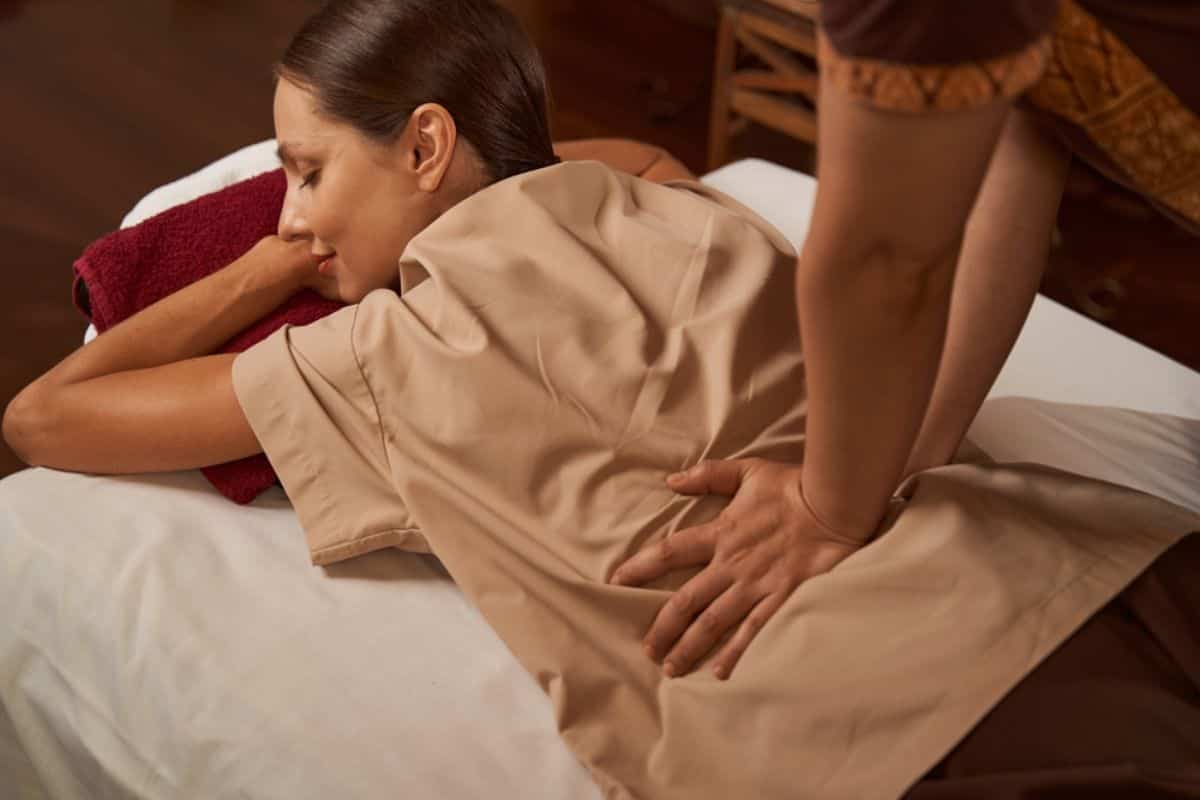
For Thai massage, wearing loose, breathable clothing allows free movement and stretching. For oil-based treatments, you will need to change into the spa attire provided by Yunomori Onsen & Spa. Comfort helps the body relax more fully.
Share Your Needs With the Therapist
First-time guests should communicate openly. Please inform your therapist about any areas of tension or sensitivity, as well as any existing injuries or health concerns you may have. During the massage, communicate with your therapist about your preferred pressure levels, or any focus point.
Expect Movement
Thai massage involves assisted stretching, rhythmic pressure, and guided movement. First-time guests should be open to gentle participation rather than complete stillness.
Relax and Breathe
Slow, steady breathing supports circulation and comfort during stretching. Relaxation allows the therapist to work with the body rather than against resistance.
What You Should Not Do Before a Massage
Understanding what you should not do before a massage is just as important as proper preparation.
- Avoid alcohol: Alcohol dehydrates the body and interferes with circulation.
- Do not overeat: Overeating may cause bloating or discomfort.
- Skip vigorous exercise: It’s best not to do an intense workout immediately right before massage.
What to Do After a Massage
Rest and hydrate: Drinking water after your massage supports circulation and muscle recovery.
Soak in the onsen: For non-oil massages, soaking in the onsen bath after massage can help promote comfort and relaxation, and relieve any strain after the massage.
Rest and avoid intense activity: It’s recommended to wait at least 24 hours before engaging in heavy training and a few hours for light exercise after a massage to allow your muscles time to recover and reap the full benefits of the massage.
Nourish your body: Light, nutritious meals complement the relaxed state created by massage and onsen bathing. This helps maintain balance throughout the day.
Tips for First-Time Massage and Onsen Guests
For those visiting an onsen or booking a massage for the first time, a few thoughtful considerations can help you feel more comfortable.
Choose Gentle Pressure at First
It’s common to assume stronger pressure equals better results. In reality, first-time guests often benefit more from moderate or gentle pressure. This helps muscles release naturally and reduces post-massage soreness. Pressure can be adjusted during the session as needed.
Expect Mild Soreness
Some people experience light soreness after their first massage, especially if muscles have been tense for a long time. This is a normal response as circulation improves and tissues relax. Staying hydrated and resting afterward usually helps the body settle quickly.
Keep Electronics and Distractions Away
Onsen and massage are opportunities to step away from constant digital stimulation. Leaving your phone in the locker and allowing your attention to rest on breathing, warmth, and movement helps the nervous system calm more fully.
Why Experience Onsen and Massage at Yunomori Onsen & Spa
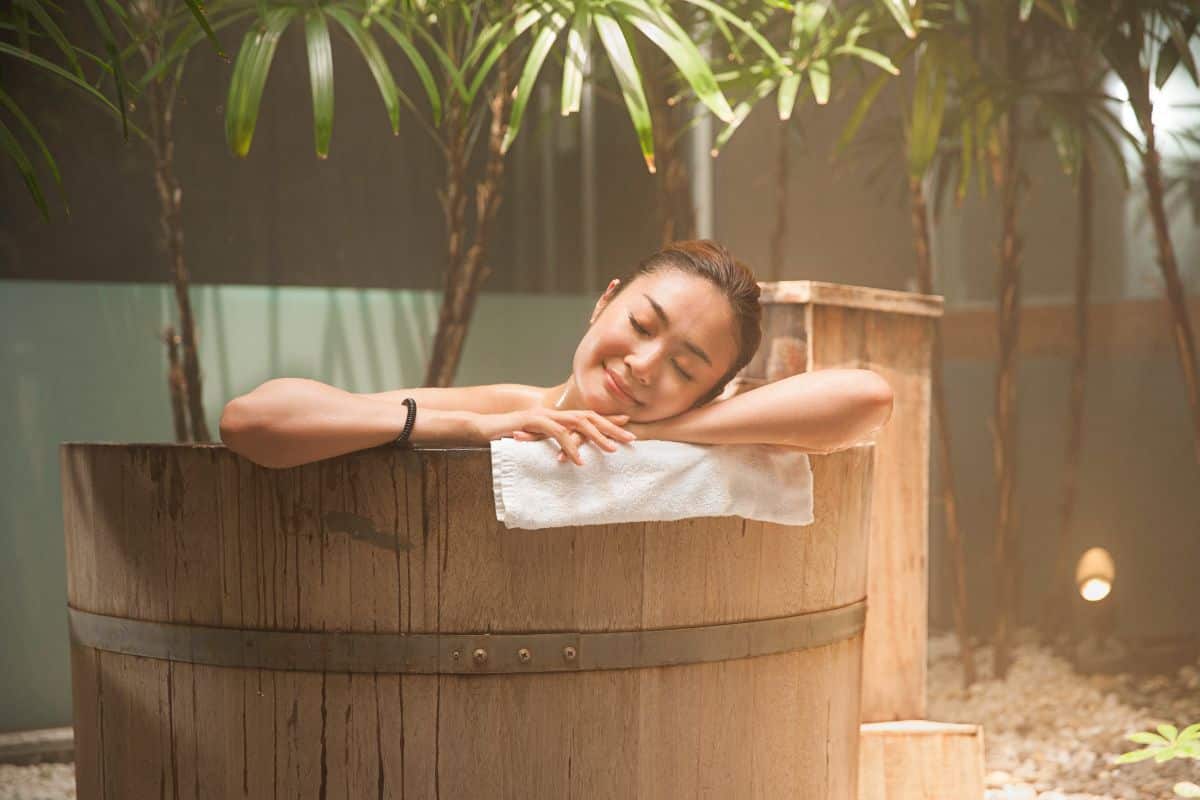
Yunomori Onsen & Spa brings together two respected wellness traditions: Japanese onsen bathing and Thai therapeutic massage. Our guests enjoy a serene environment in the heart of the city, designed for relaxation and rejuvenation, and benefit from professional therapists trained in traditional massage and healing techniques.
Yunomori Onsen & Spa’s offerings cater to the needs of health-conscious individuals in a wellness-driven culture that values professionalism, care, and authentic experiences focused on one’s health and well-being. For those seeking meaningful relaxation rooted in tradition, Yunomori Onsen & Spa offers a complete experience that rejuvenates the body and mind.
Book your massage at Yunomori Onsen & Spa to enjoy the full benefits of an onsen and experience an authentic Thai massage in Bangkok.
References:
10 Tips to Get the Most From Your Massage. Retrieved on 23 December 2025 from [https://www.starkstate.edu/massage-therapy-clinic/10-tips-get-most-your-massage/]
How to Prepare for Your Massage Therapy Appointment. Retrieved on 23 December 2025 from [https://backinbalancechiro.ca/how-to-prepare-for-massage-therapy/]
Frequently Asked Questions
Is it normal to feel nervous before your first massage or onsen visit?
Yes. Feeling nervous before a first massage or onsen visit is a common experience. At Yunomori Onsen & Spa, our staff will guide guests through each step, making the experience comfortable and easy to follow.
Should you use the onsen before or after a massage?
It’s best to use the onsen before your massage. Warm mineral water relaxes muscles and joints, allowing massage techniques to work more effectively. A short soak afterward is optional for extended relaxation.
How long should a first-time onsen and massage visit take?
First-time guests should allow 2 to 3 hours. This includes time for onsen bathing, the massage treatment, and post-treatment rest without feeling rushed.
What massage is best for first-time guests?
First-time guests often begin with aromatherapy or an oil-based massage for overall relaxation. Our therapists can recommend an option based on your comfort level and goals.
Is Thai massage suitable for beginners?
Yes. Thai massage is suitable for beginners. Our experienced therapists can adjust pressure and stretching to match individual comfort, making it a safe and relaxing experience for first-time guests.
What should you do if the massage pressure feels too strong?
You should tell the therapist immediately if the pressure feels too strong so adjustments can be made. Massage should feel therapeutic, not painful.
What do you wear during a massage at Yunomori Onsen & Spa?
For a Thai massage, comfortable clothing is provided. For an oil-based massage, guests are asked to change into spa attire. Privacy and comfort are fully respected.
Is Thai massage safe for everyone?
Most people can safely enjoy a Thai massage. However, individuals with medical conditions, pregnancy, or recent illness should consult a medical professional and inform staff before booking a session.