Sleep issues are increasingly becoming common among urban professionals. Long work hours, constant screen exposure, frequent travel, and ongoing mental demands make it difficult to fully switch off at night.
Insomnia has become one of the most common modern wellness concerns. While medication may help, many people seek more natural, restorative solutions. Holistic approaches, such as onsen bathing and therapeutic head massage, offer gentle ways to support relaxation and improve sleep quality.
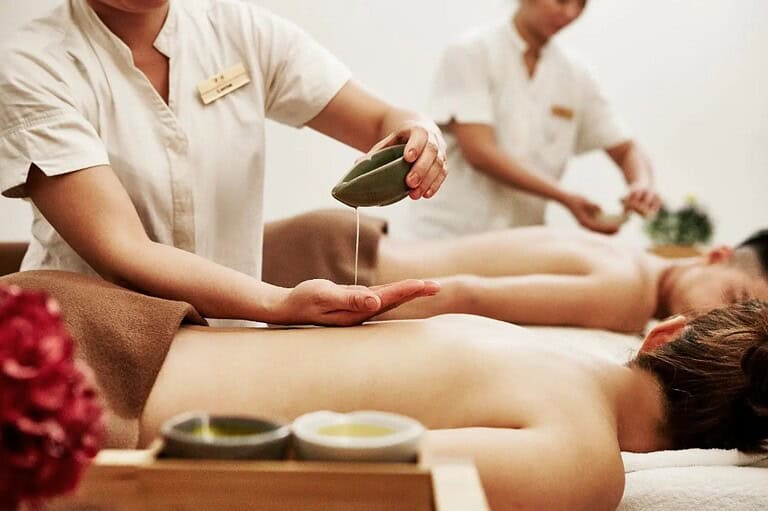
At Yunomori Onsen & Spa, guests often combine mineral-rich onsen bathing with treatments, like our Deep Sleep Head Massage in Pattaya, Bangkok, and Singapore, to help ease mental tension and prepare the body for deeper rest.
What Is Insomnia?
Insomnia is characterized by trouble falling or staying asleep, or waking prematurely even with adequate rest time. It might be temporary, existing for days or weeks during stressful times, or it could be ongoing, lasting for months.
When sleep quality is poor, it interferes with nighttime recovery, consequently affecting one’s ability to concentrate, regulate emotions, be productive, and feel well. If sleep is disrupted or light, the body fails to fully rejuvenate.
Common Insomnia Causes in Urban Lifestyles
Understanding the causes of insomnia is the first step toward managing it effectively. The causes of insomnia are often layered rather than singular. In busy city environments, several factors frequently combine, and when they overlap, the body remains in a heightened state of tension, making relaxation increasingly difficult.
Psychological Factors
Ongoing stress, anxiety, and emotional strain can make it difficult to mentally disengage at night. Many professionals carry unresolved work thoughts to bed, keeping the nervous system in an alert state.
Lifestyle Habits
Irregular sleep schedules, late-night scrolling, heavy evening meals, or shift work disrupt the body’s natural rhythm. Even inconsistent bedtime routines can gradually affect sleep quality.
Substances and Environment
What we habits and our surroundings, such as caffeine, alcohol, nicotine, noise, bright lighting, and overly warm or cold bedrooms can all interfere with restful sleep.
Health-Related Factors
Chronic pain, hormonal changes, certain medical conditions, such as underlying sleep disorders, and medication side effects may also contribute to fragmented rest.
Why Head Tension and the Nervous System Affect Sleep
Mental strain often becomes physical as tension frequently gathers in the scalp, temples, jaw, neck, and shoulders. This ongoing tightness signals the nervous system to remain alert. If the body doesn’t shift from alertness into a calmer state, falling asleep becomes harder. Head massage offers a gentle way to support the transition to rest.
How Head Massage Supports Better Sleep
Calms the Nervous System
Gentle, rhythmic touch encourages the body’s relaxation response. As breathing slows and muscles soften, the nervous system begins to move from alert mode toward rest. Reduced stress signals create a sense of physical ease that supports sleep readiness.
Supports Natural Sleep Hormones
Relaxation-focused therapies can promote healthy serotonin activity, supporting mood stability and promoting melatonin release at night.
Improves Circulation and Releases Head Tension
Massage increases blood flow to the scalp and neck, easing tightness that may interfere with sleep. Relief from pressure, headaches, and muscular strain make it easier to fall asleep and remain asleep.
Reduces Pre-Sleep Anxiety
Many people experience anxiety about not sleeping, which further disrupts rest. A calming touch helps quiet mental restlessness and supports emotional balance, creating a more stable transition into sleep.
Using Head Massage as Part of a Sleep-Support Routine
- Timing and consistency: Short, regular evening sessions, around 30 to 60 minutes before bedtime, tend to be more effective than occasional long treatments. For a head massage, consistency matters more than intensity.
- Creating a sleep-supportive environment: Dim lighting, quiet surroundings, and a calming pre-bedtime routine, such as a massage, allow the mind and body to fully relax.
- At-home vs. professional head massage: While self-massage can support daily stress relief, a professional head massage offers deeper release with guided techniques, and may include aromatherapy and warm oils for deeper relaxation.
Who May Benefit Most
A head massage may be especially helpful for professionals with high mental workloads and individuals experiencing stress-related insomnia. It can also help those seeking natural, non-invasive sleep support. While a head massage may not replace medical treatment for severe cases, it can meaningfully support relaxation and sleep readiness.
The Role of Onsen Bathing Before a Head Massage
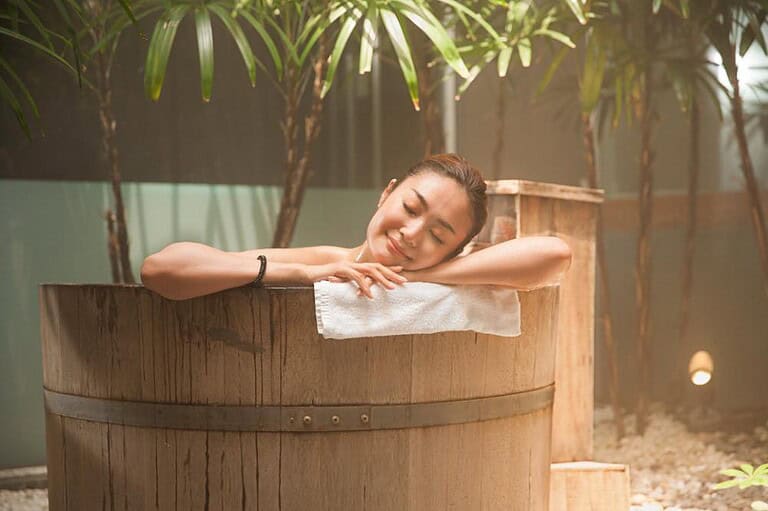
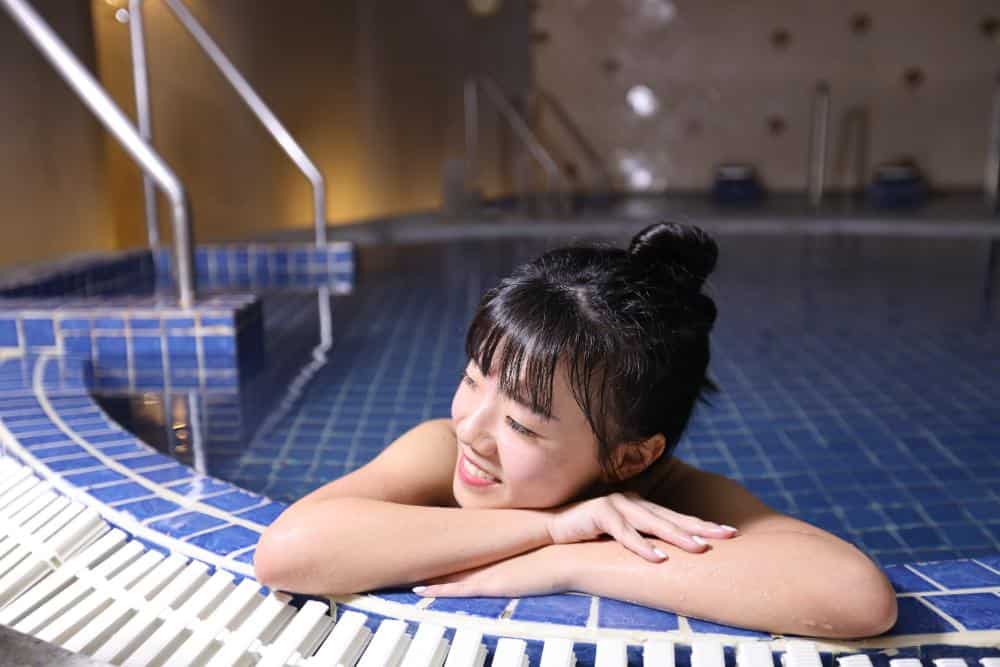
Onsen bathing enhances the effectiveness of a head massage. Soaking in warm, mineral-rich water relaxes muscles throughout the body and prepares connective tissue for deeper therapeutic work. Heat encourages circulation and helps reduce full-body tension.
When guests move from the onsen to the treatment room, their bodies are already relaxed, making the head massage even more comfortable, creating a deeper effect that supports sleep-focused wellness.
Deep Sleep Head Massage at Yunomori Onsen & Spa
Insomnia often develops from a buildup of physical and emotional tension. Addressing insomnia causes requires calming the nervous system, releasing physical strain, and restoring balance. At Yunomori Onsen & Spa, we blend Japanese onsen culture with Thai techniques in a calm environment designed for relaxation and recovery.
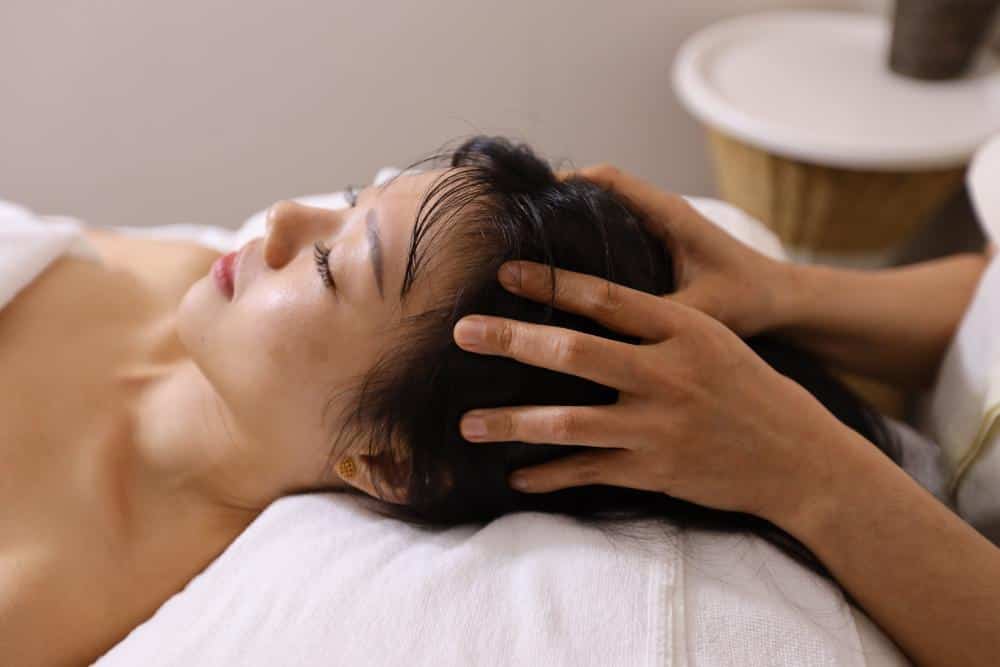
Yunomori Onsen & Spa’s Deep Sleep Head Massage uses acupressure and ayurvedic techniques to improve blood circulation and relieve tension. Professional therapists apply customized pressure with expert hands and provide attentive care throughout the treatment.
Onsen bathing and head massage offer natural support for better sleep by helping the body shift from alertness into rest. Experience a therapeutic head massage with onsen bathing at Yunomori Onsen & Spa to support deeper rest and healthier sleep.
References
- How Head Massage Can Improve Your Sleep Quality. Retrieved on 6 February 2026 on https://sparestorationcenter.com/head-massage-can-improve-your-sleep-quality/
- Head and Neck Massage for Better Sleep: What Science Says. Retrieved on 6 February 2026 on https://www.naturalbody.com/blog/how-to-use-massage-to-improve-sleep
- Can Head Massage Really Help with Insomnia and Stress? Retrieved on 6 February 2026 on https://londonmassage4u.co.uk/blogs/can-head-massage-really-help-with-insomnia-and-stress/
Frequently Asked Questions
What are the most common causes of insomnia?
The most common insomnia causes are stress, anxiety or depression, irregular sleep schedules, poor sleep habits, stimulants like caffeine and nicotine, alcohol, and an uncomfortable sleep environment. Medical conditions, medications, and other sleep disorders such as sleep apnea also frequently contribute.
How long before bed should I get a head massage?
A 5–15-minute head massage about 30–60 minutes before bedtime helps the body transition into a calmer state before sleep.
Is it safe to have a head massage every day?
For most healthy adults, a gentle daily head massage is safe and may support relaxation. Those with scalp conditions, recent injuries, or severe headaches should consult a healthcare professional first.
How soon will I notice improvements in my sleep?
Some people feel more relaxed after the first few sessions. More consistent improvements often appear after several weeks of regular treatment.
Can a head massage cure insomnia?
Persistent or severe insomnia may require medical evaluation. Conditions such as sleep apnea, hormonal disorders, or chronic anxiety may need more specialized treatment. Head massage should be viewed as complementary care that supports relaxation while the underlying insomnia causes are addressed.